
TL;DR
Grief from losing a dog can feel especially heavy because their absence reaches into ordinary routines, quiet rooms, and decisions made at the end of their life. By around week four, the sharpest shock may have changed into a more noticeable awareness of what is missing—but there is no fixed timetable, and your experience may look different.
Why does losing a dog disrupt so much of the day?
You may notice the loss first in small, practical moments: reaching for the leash, listening for paws on the floor, checking the time for dinner, or expecting a familiar face when you open the door. These habits were repeated so often that the day may seem to continue around an empty space.
A dog is also part of the structure of home life. They may have shaped when you woke up, where you walked, how you spent weekends, and who greeted you after work. When those patterns stop, grief can arrive as both sadness and disorientation. Missing the routine does not mean you are grieving only a schedule. The schedule carried a relationship within it.
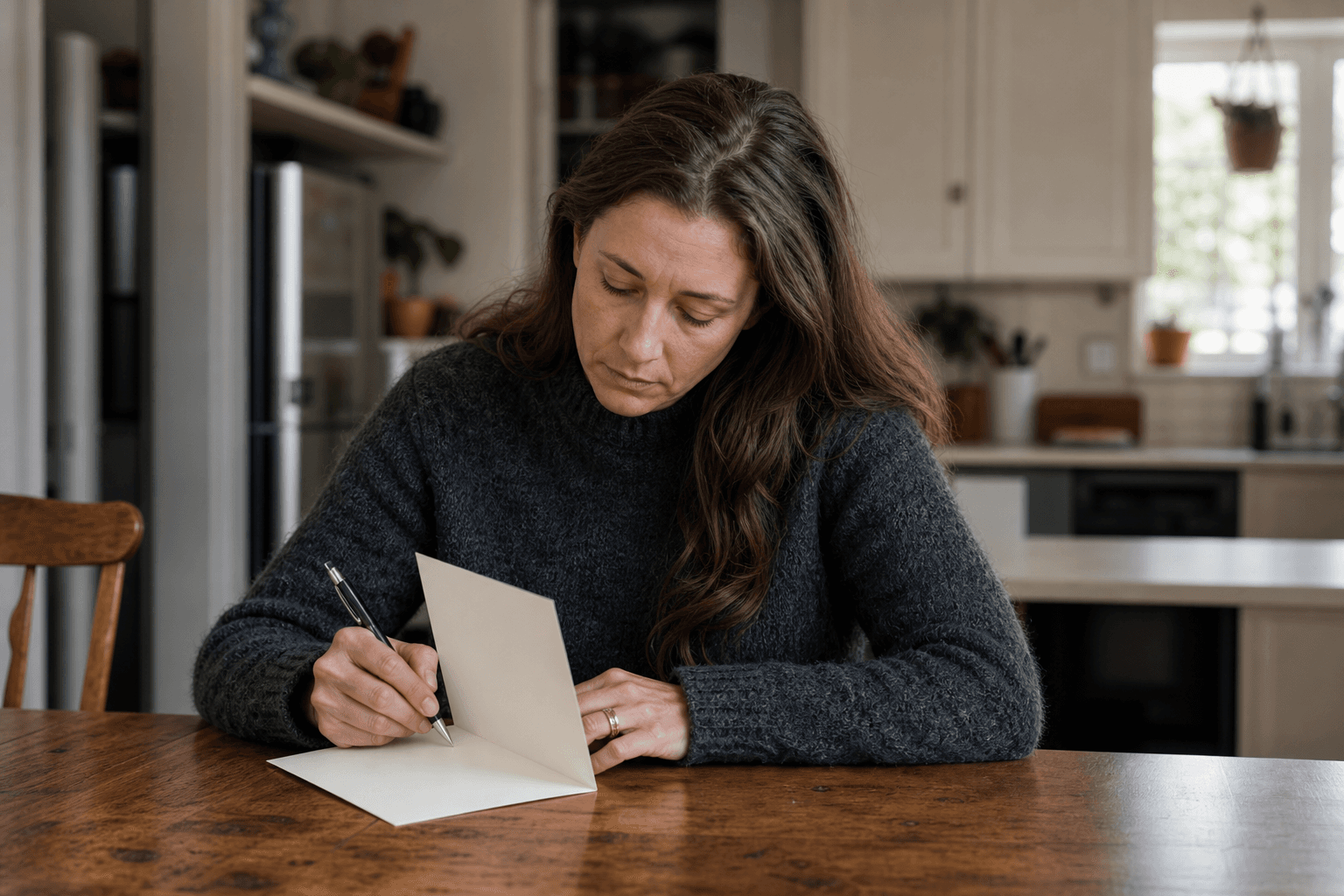
Try writing down three moments that feel most different now. For each one, choose whether you want to:
- Keep the moment quiet and let it change naturally.
- Replace part of the routine with something gentle, such as a short walk or a cup of tea outside.
- Preserve the connection by saying their name, looking at a photograph, or noting one memory.
There is no requirement to recreate the old routine. The purpose is simply to notice which absences need acknowledgment and which ones may need a new shape.
What makes the last decision so difficult?
When a dog’s life ends after illness, pain, or declining comfort, people may revisit the final decision repeatedly. You might wonder whether you acted too soon, waited too long, missed a sign, or could have chosen differently. Love can make those questions feel urgent even when the decision was made with care.
The mind often returns to the final day because it is a clear point in the story. But the relationship was not limited to that day. Alongside the last decision, try listing what you knew at the time, what your veterinarian explained, what your dog was showing you, and what you hoped to protect them from. Keep this list factual and brief. It is not a case for proving that you felt nothing or did everything perfectly; it is a way to remember that a difficult choice was made inside a much longer history of care.
You can also write two short paragraphs: “What I feared for them” and “What I wanted for them.” Do not force the second paragraph to erase the first. Both can be true. If guilt becomes difficult to carry or begins to interfere with daily life, a qualified mental health professional or pet-loss specialist may offer support.
What may change by week four?
Around the fourth week, some people find that the first, constant shock has shifted. The loss may feel less like one continuous moment and more like a series of discoveries: a favorite blanket is still folded away, a walk ends sooner, or a name comes to mind before the new reality catches up.
This change is not necessarily improvement, and it is not a sign that you should be “over it.” It may simply mean that your mind is beginning to encounter the absence in separate moments instead of only as one overwhelming fact. For someone else, week four may bring a renewed wave of sadness, especially when work, errands, or social obligations create pressure to seem normal.
A useful weekly check-in can stay simple:
1. What moment was hardest this week? 2. What memory brought warmth, even briefly? 3. What practical task felt difficult? 4. What would make the next few days a little more manageable?
Answer in a few words if that is all you have. The value is in observing change without grading your grief.
How can you keep the relationship present without forcing a memorial?
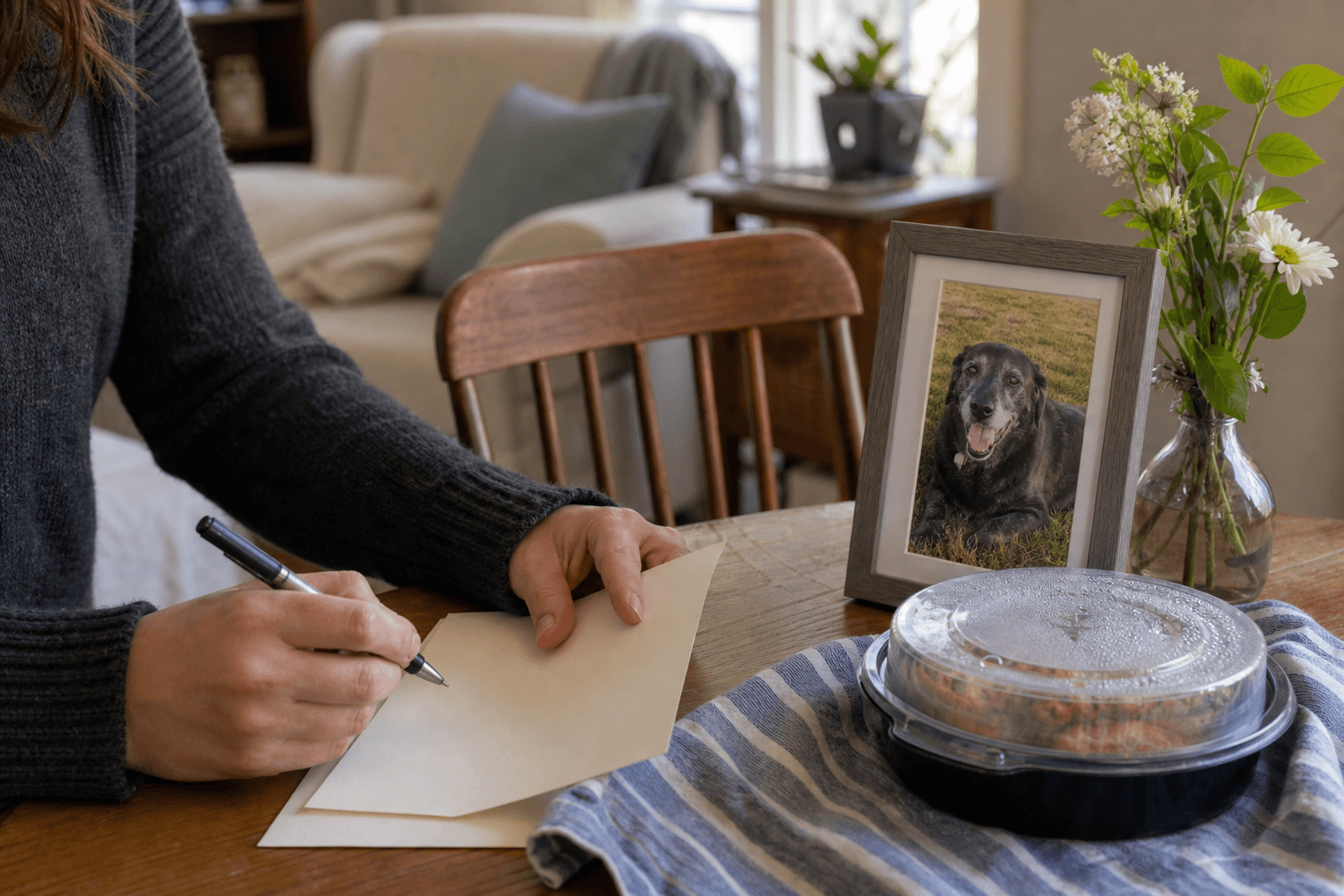
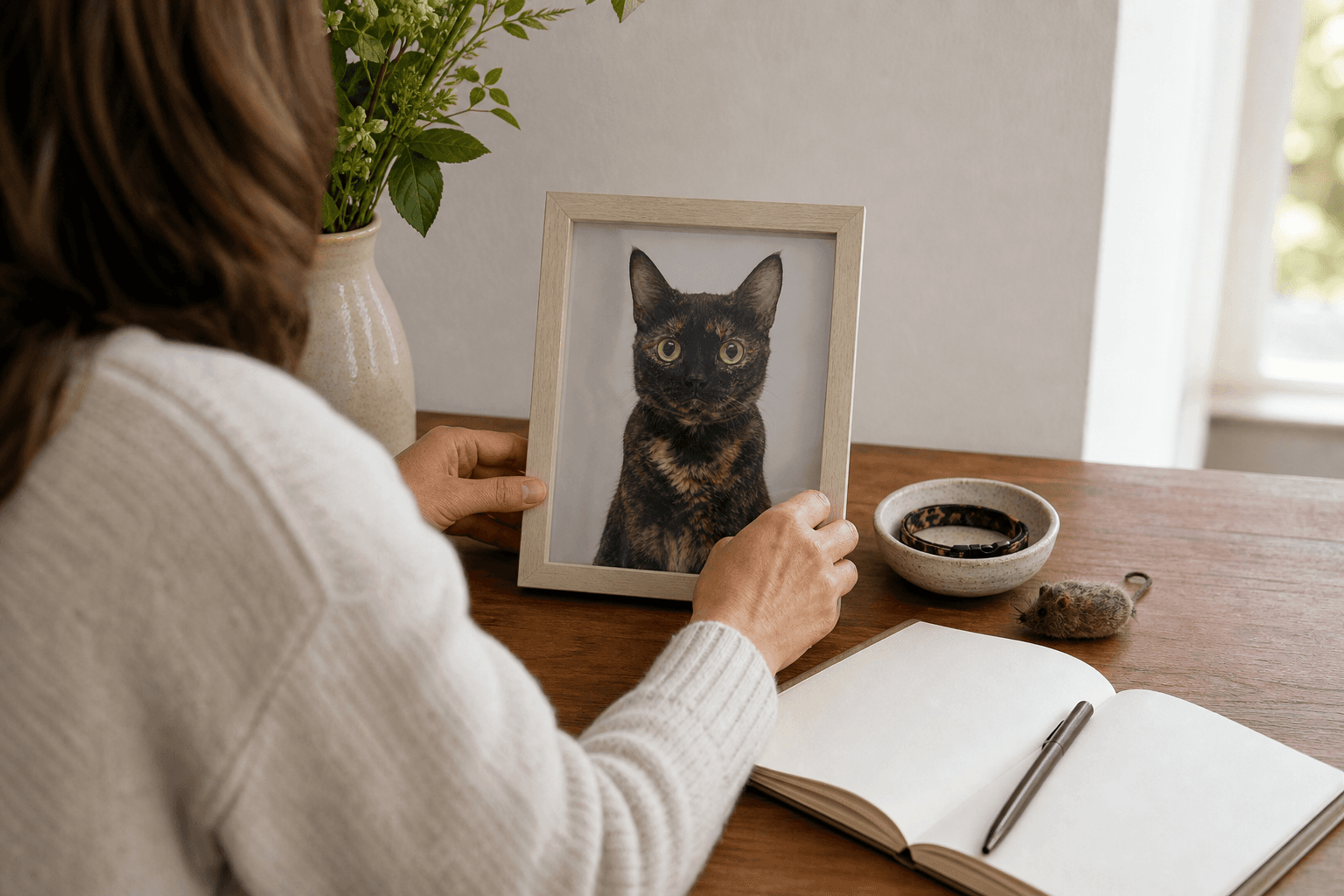
A memorial does not have to be a display, ceremony, or permanent decision. You might save one photograph in a small album, write down the story behind a nickname, or keep a collar or toy in a place where you can choose to see it. If you want more ideas for a personal remembrance, PawParting’s pet remembrance articles offer options that can be adapted to your home and beliefs.
Consider a temporary ritual if a permanent choice feels too soon. Light a candle for a few minutes, play a song associated with a quiet car ride, visit a favorite walking place, or speak their name before bed. You can repeat the ritual, change it, or stop using it. A remembrance should serve the memory, not become another obligation.
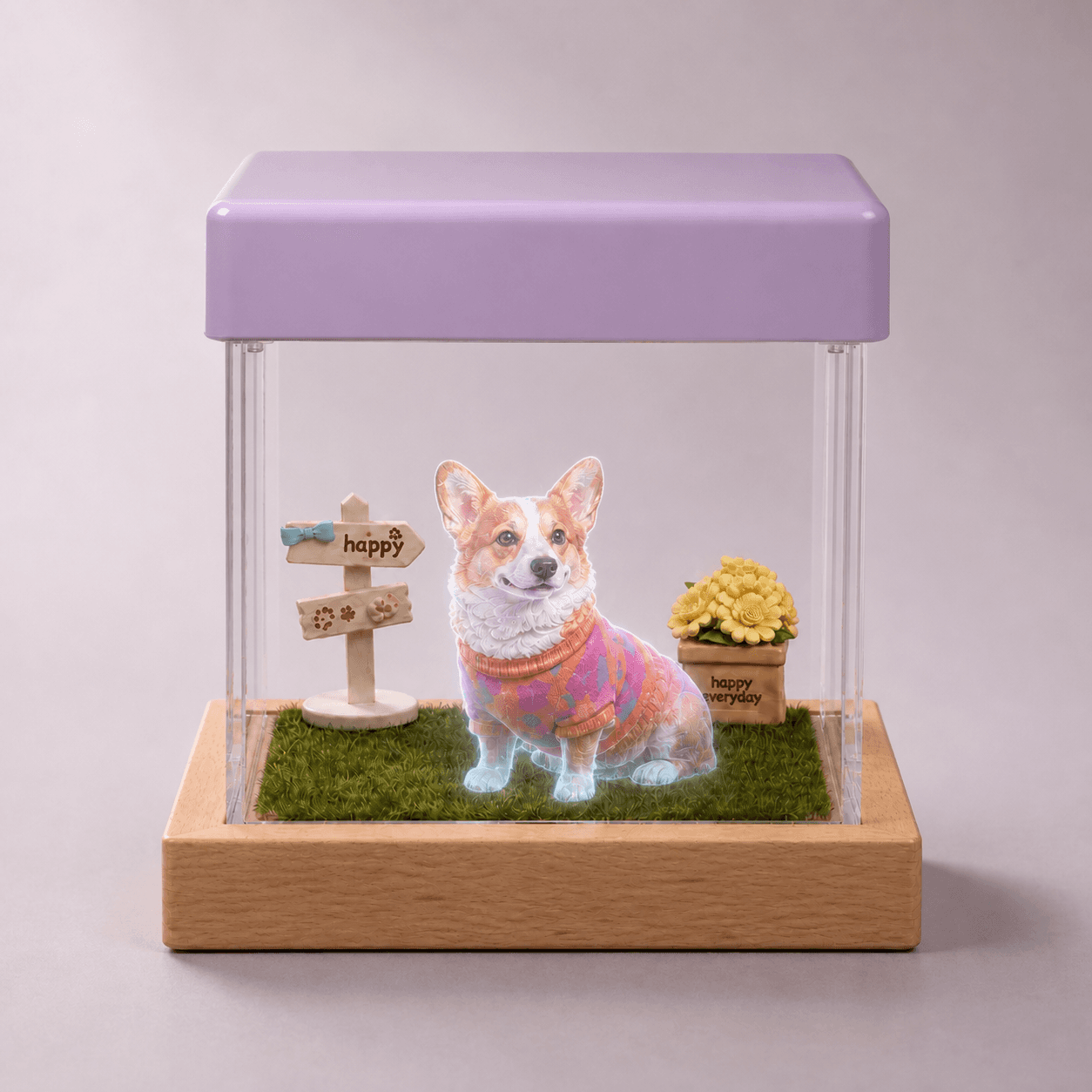
If a physical keepsake feels right later, take time to decide whether you want something private, something displayed, or something you can carry. The PawParting store is one place to browse memorial options, but waiting is also a valid choice.
A gentle plan for the first month
Use this as a flexible guide rather than a schedule:
Days 1–7: Make the day manageable. Handle immediate practical tasks at your own pace. Accept simple help if it is offered, such as a meal, a message, or assistance with belongings. You do not need to decide what to keep or give away immediately.
Days 8–14: Name the missing routines. Notice the times and places that feel most changed. Choose one small replacement routine, or leave the space untouched for now.
Days 15–21: Gather memories beyond the ending. Write down ordinary details: the way they slept, greeted you, tilted their head, or followed you from room to room. These details can widen the story beyond the final days.
Days 22–28: Reassess gently. Ask what you want to preserve, what you are ready to change, and what can wait. You may feel differently from one day to the next.
This plan is optional. It is meant to give shape to an unsteady month, not to measure whether your grief is progressing correctly.
Frequently asked questions
Is grief from losing a dog different from losing another family member?
Every relationship is different. A dog may be woven into daily care, home routines, and companionship in a way that makes their absence particularly immediate. That does not make your grief more or less legitimate than anyone else’s.
Why do I feel guilty after my dog died?
Guilt can follow difficult medical or end-of-life decisions, especially when you had to choose without certainty. Writing down what you knew and hoped to protect at the time may help you hold the decision in its full context, without pretending it was easy.
Should I put away my dog’s belongings?
Only if and when it feels right. You can keep everything in place, gather items into one box, ask someone to store them temporarily, or make decisions gradually. There is no required deadline.
What if I feel different by week four?
You may feel steadier, more distressed, numb, relieved, or several of these at different times. A change in feeling does not determine how much you loved your dog. Grief can move unevenly while the relationship remains meaningful.
Read gently, and take what helps.