When a tattoo artist asks, “Which paw print would you like to use?” the most important step is often not choosing a design right away. First, decide whether you want to preserve an imprint as faithfully as possible or create a memorial design inspired by that original mark. A pet paw print memorial tattoo can be very simple—a clear outline of the paw pads, a name, or nothing else at all.
If you are not ready to decide, you can save the materials first. The tattoo can come later; keep the original paw print and photos now so you still have options in the future.
Choosing an original paw print or a simplified outline
Both approaches can preserve a familiar feeling. They simply look different and require different preparation.
| Choice | Details it suits | What to keep in mind | | --- | --- | --- | | Preserve the original paw print | The shape of the paw pads, tiny gaps, and natural asymmetry | You need an original imprint with clear edges and enough contrast | | Simplified paw-print lines | A clean, restrained look that works well at a smaller size | Ask the tattoo artist to preserve one or two highly recognizable details | | Paw print with a name or nickname | When you want others to immediately know whose mark it is | Confirm that the letters, Chinese characters, and handwriting style are clear and easy to read | | Paw print with a date | When a particular date holds special meaning for you | If you are unsure which date to use, you can leave the date out |
A “memorial tattoo” does not have to include many elements. Sometimes a slightly crooked, authentic paw print feels closer to the little animal you remember than a fully developed illustration.
Make a small record before preserving the original paw print
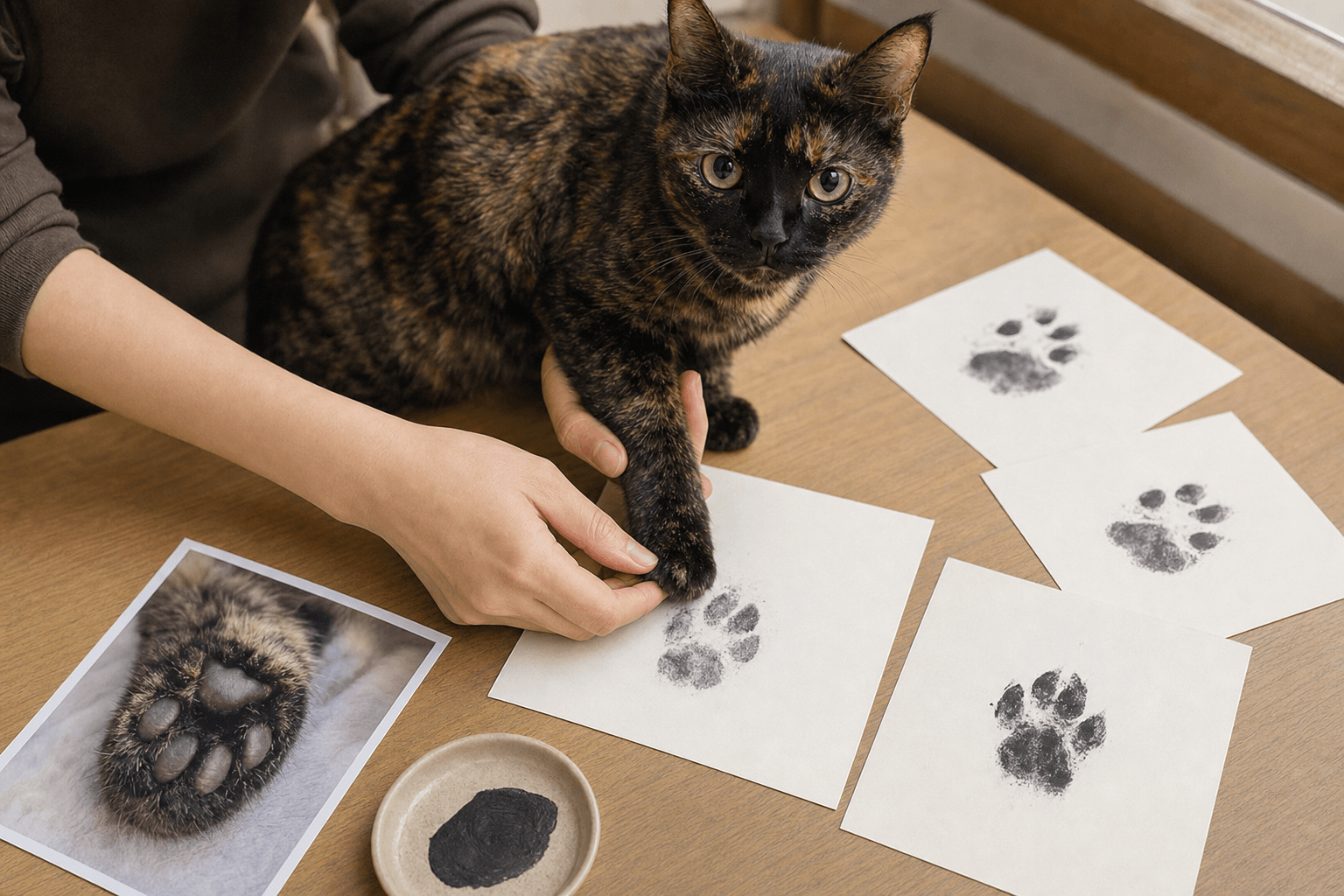
If your pet is still with you, choose a calm moment and use an imprinting material that is safe for pet contact. Follow the product instructions when making the print. The first attempt may not work, so keeping a few versions with different levels of darkness is enough; there is no need to repeatedly pressure them to cooperate in pursuit of a perfect result.
You can label each print with the date, whether it came from a front or back paw, whether it was the left or right side, and the nickname you used at the time. When you look back later, these simple details may be more useful than you expect.
If your pet has passed away, you do not need to put yourself through something difficult just to obtain a “real paw print.” An existing paw-print card, memorial clay impression, clear photo of their paw, or file saved in the past may all serve as design references. When photographing the materials for safekeeping, shoot straight on in natural light whenever possible, and keep the original image rather than saving only a filtered version.
Ways to personalize a pet paw print memorial tattoo
Names, nicknames, and dates are common choices, but none of them are required. Start by asking yourself: years from now, what will you most want to recognize when you look at this tattoo?
If the answer is “that little paw,” an original print or an extremely simple outline may be enough. If the first thing that comes to mind is the name they answered to, place the nickname below or beside the paw print. If a particular period of your life together matters most, consider adding a discreet line of text with the date.
There are also subtler options: place the paw print beside the outline of a familiar object, such as a route you often walked together, a plant by the window where they liked to stay, or a tiny star. Before adding anything, arrange all the elements on paper and look at the design again after a few days. The element that remains often comes closest to what you truly want to express.
Materials to give your tattoo artist
Clear communication can help the design stay closer to the original imprint. Before your appointment, prepare the following:
- A clear photo of the original paw print, along with the uncropped full version
- A photo of your pet’s paw or of them standing, to help show how the paw pads relate to one another
- The details you want to preserve, such as a small gap, a larger main paw pad, or a toe that angles outward
- The exact spelling of any name, date, or handwritten text you want to include
- Your preference for a design that looks more like the original or one with simpler lines
You can also tell the tattoo artist which parts must remain unchanged and which parts can be adjusted. For example: “Please preserve the shape of the central paw pad, but make the outer contour clearer.” Instructions like this are easier to translate into a specific design than “Make it a little cuter.”
Placement deserves careful consideration as well. The wrist, forearm, shoulder, and ankle each offer different levels of visibility and different amounts of space. If you want to preserve the original paw print’s details, ask the tattoo artist to assess the size and line work for the actual placement first. There is no need to rush into making the design as small as possible.
Let the tattoo complement another keepsake
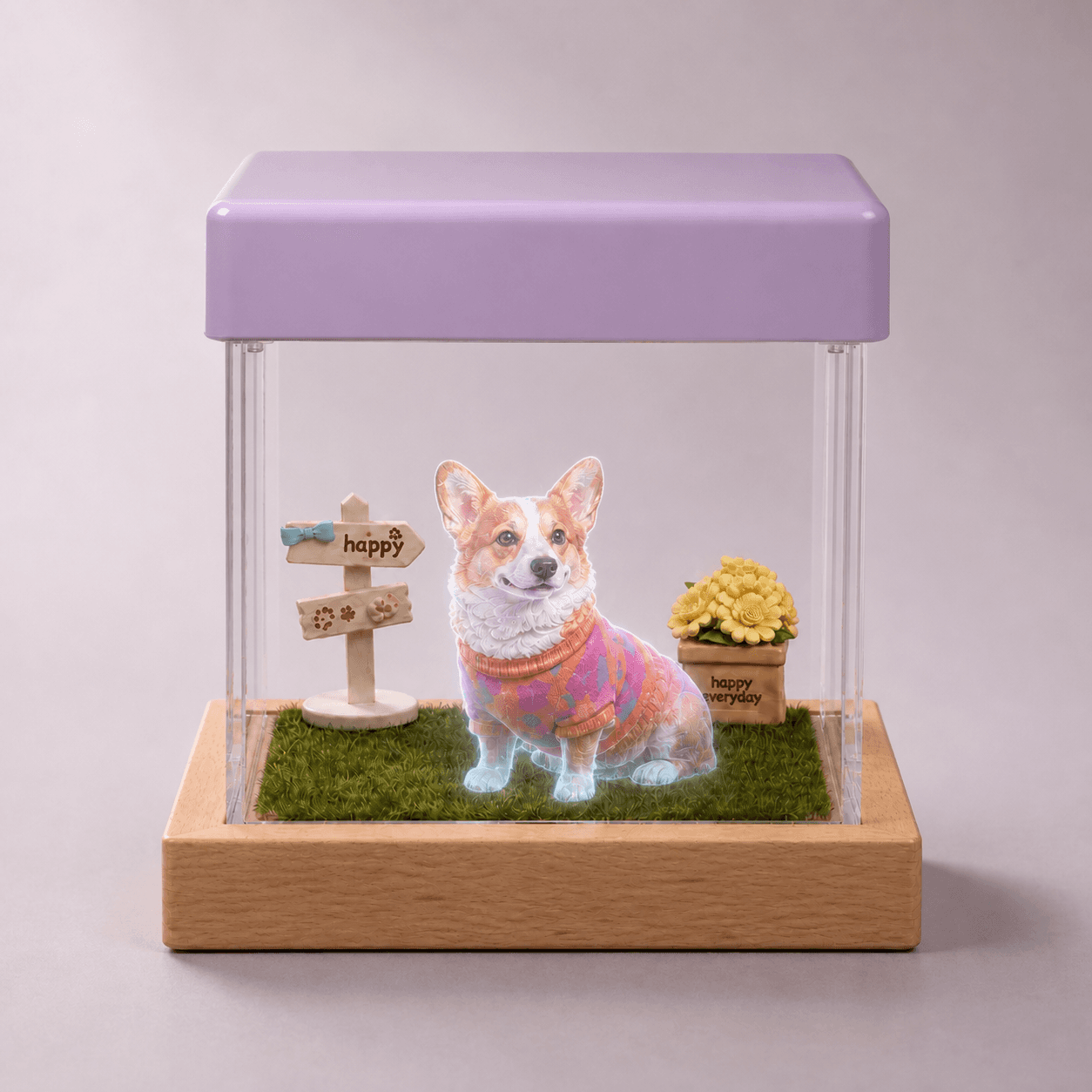
The tattoo stays with you, while a physical object can remain in a familiar place. The two do not have to use exactly the same design: the tattoo can preserve the paw print, while the other keepsake holds a photo, a nickname, or simply a name.
If you would like to choose an everyday object for the same memory, take your time comparing options that suit your lifestyle in PawParting memorial keepsake options. The goal is not to make the memory as complete as possible, but to choose something that feels natural and that you will want to keep close.
Some people place the original paw print, photos, and design sketches in the same folder; others keep only the version they like best. To explore more understated ways to remember a pet, you can also read pet memorial stories and resources.
Frequently asked questions
Can I get a pet paw print memorial tattoo without an original paw print?
Yes. A clear photo of your pet’s paw can help the tattoo artist create a reference outline. However, if you want the design to look as much like a real imprint as possible, be honest about where the reference came from. That gives the artist room to create a design inspired by the source instead of presenting it as an original imprint.
Some parts of the paw print are blurry. Should I redraw everything perfectly?
Not necessarily. Ask the tattoo artist to clean up distracting marks while preserving the relationship between the paw pads and any small details that make the print recognizable. After too much refinement, the design may look neater but lose some of its original character.
Should I include both the name and the date?
You do not have to. If the name already feels sufficient, you can leave out the date. If you do not want the tattoo to look like a record, you can keep only the paw print. Create a few layout options first, then choose the one that feels quietest and most like the two of you.
Read gently, and take what helps.