TL;DR
When you're coping with the loss of a pet, the first goal is simply making the next few hours or days a little more manageable: drink some water, eat something, handle the necessary arrangements, and accept that you may not be able to focus for a while. Later, you can keep photos, belongings, and stories at your own pace. And if carrying it alone becomes too heavy, asking someone you trust or a professional for support is another way of taking care of yourself.
How do you cope with the loss of a pet in the hardest first days?
Start by shrinking your horizon to the present moment. Today, it's enough to handle the essentials: confirming arrangements for your pet's farewell or the care of their remains, replying to the most important messages, fixing something simple to eat, and having a place to sit down. Everything else around the house can wait. You also don't have to pack up their things right away or decide what you'll keep.
It can help to write a very short list:
- One thing you have to do today;
- one thing you can ask someone else to do;
- one thing that will make your body feel a little better;
- one decision you can put off until tomorrow.
Grief can suddenly make a familiar routine feel strangely empty. Walking past the door where you used to grab the leash, hearing the food bowl clatter against the floor, or reaching for them out of habit at the usual time can bring the missing back in a wave. These reactions don't need to be explained or fixed right away. If the grief makes it impossible to keep up the basics of your life, or you don't feel safe being alone, reach out to someone you trust and to the professional services available in your area. It isn't a judgment on you, it's a way of opening another line of support right now.
Take care of your body first, then make the necessary decisions
When your emotions are overwhelmed, decisions about your pet's belongings can wait. Think of drinking water, eating, sleeping, and stepping outside for some air as the basic tasks of the present, there's no need to do them perfectly. If other animals still live in your home, keep their usual feeding and walking schedules, and notice whether they seem to want more quiet company. Your sadness doesn't require your other pets to react any particular way.
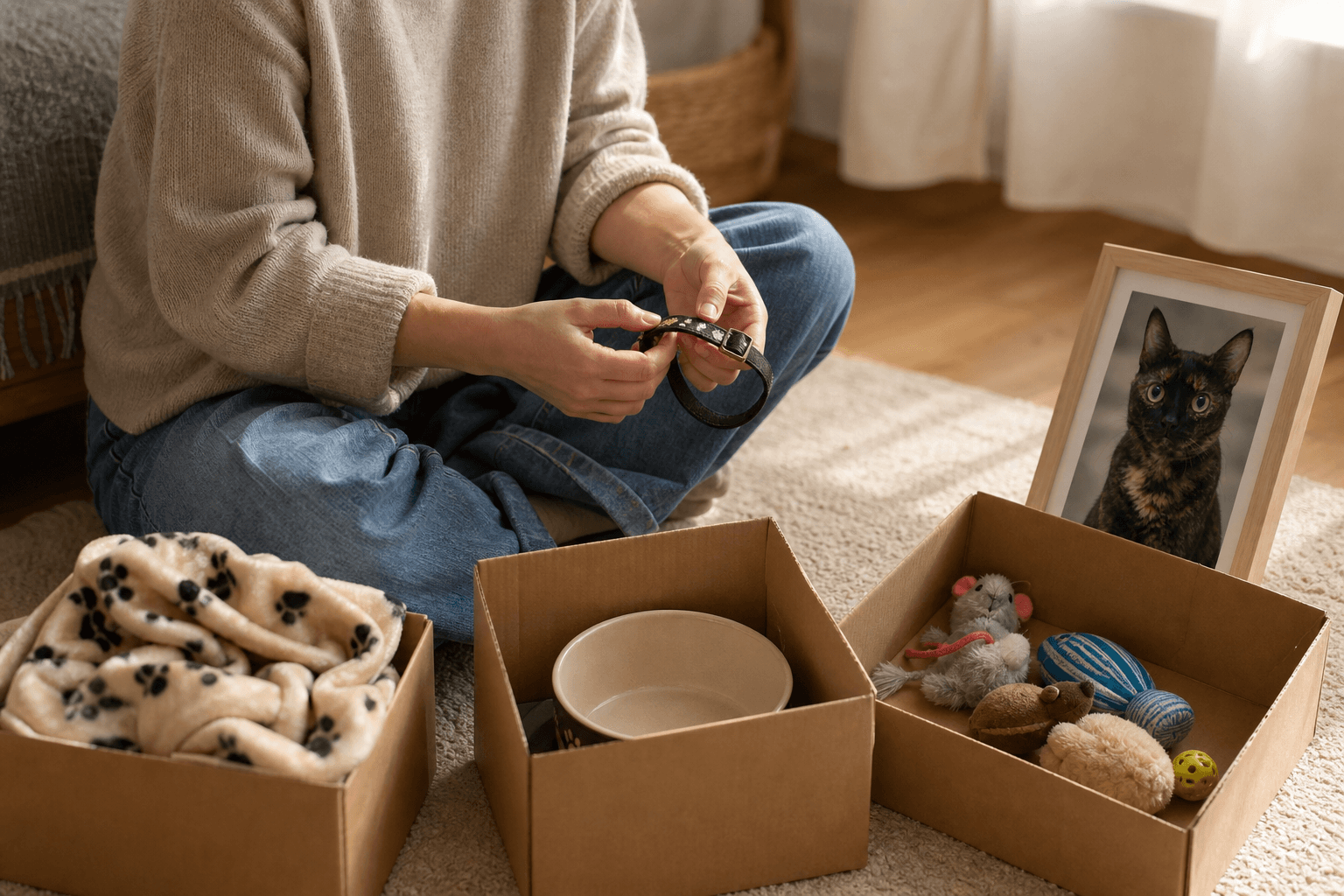
You can ask someone close to you to sit with you while you sort through their things: one person handles the sorting, and the other is simply there. You don't have to tell the whole story while you do it. Sorting items into three groups, "I want to keep this now," "put away for now," and "I'll decide later", usually feels more manageable than making permanent decisions that same day.
How can you preserve memories without feeling pressured?
Keeping a pet's memory can take many forms. You might pick one photo that captures them especially well, jot down where their nickname came from, write about their most familiar gesture, or set aside a small item that still carries their scent or signs of use. If starting to write feels hard, just finish these three sentences: "The first thing I remember is…"; "They got me used to…"; "Because of them, I want to hold on to…".
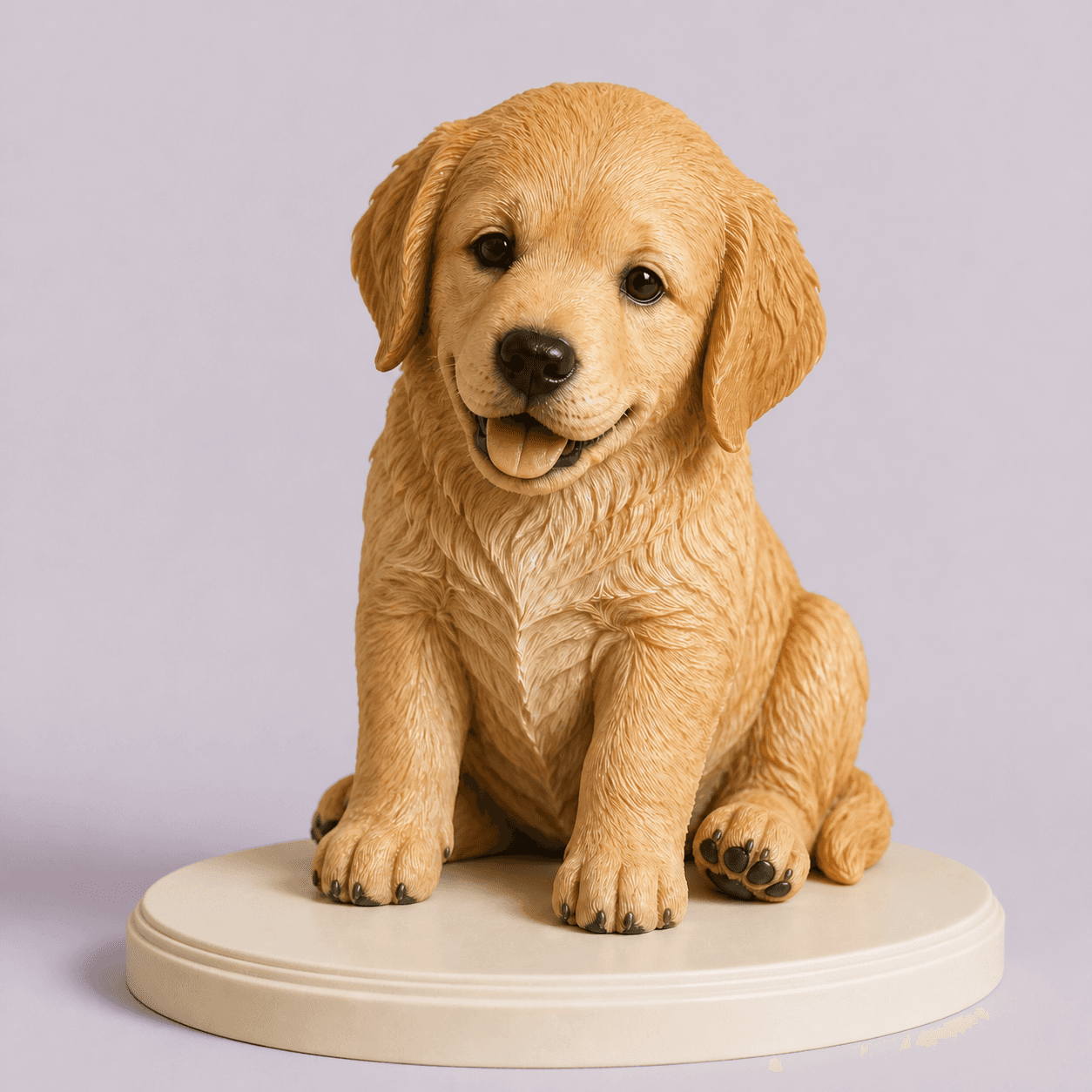
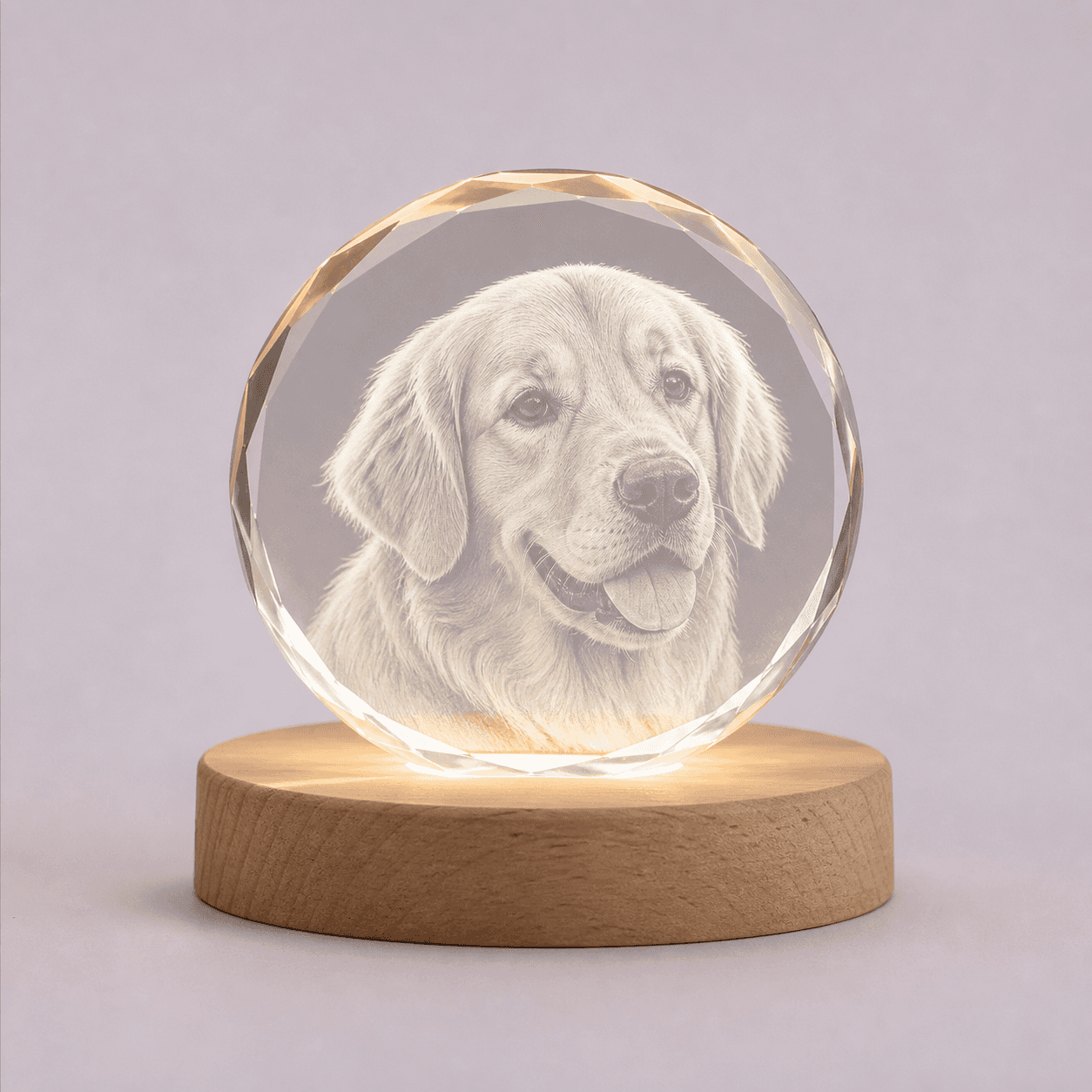
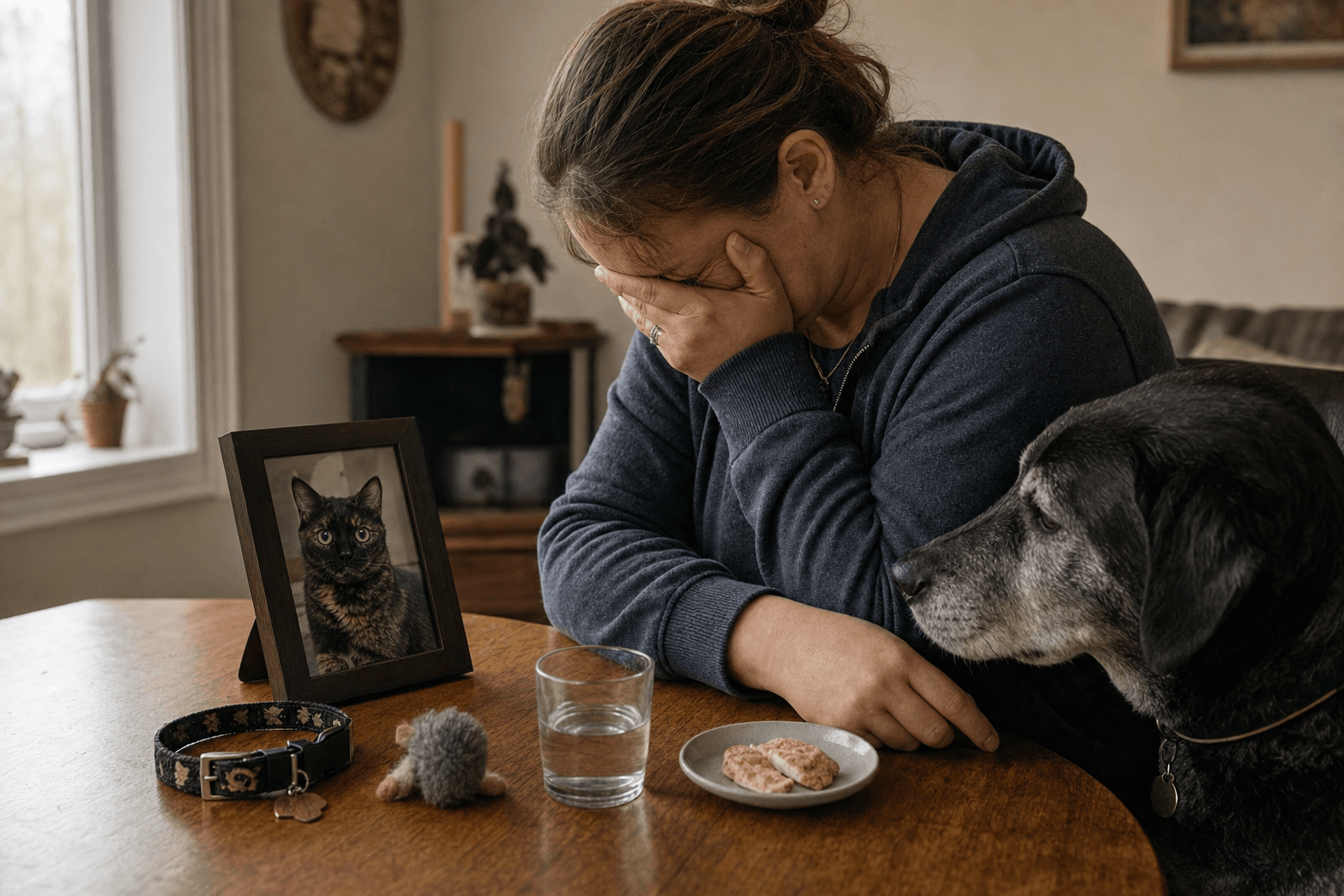
You can also put together a simple, no-pressure memory corner: a photo, the collar, a favorite toy, or a small light. It doesn't need to be a solemn display. If later you'd like to turn a photo or a piece of writing into something more lasting, you can first browse these ideas for honoring a pet and keep only what feels right for you. Seeing an option doesn't obligate you to decide anything right away.
To choose a form of remembrance, three questions can help: 1. Do I want to keep their look, their sound, their name, or one specific everyday moment? 2. Does this item bring me closer to them, or is it, for now, hard to even look at? 3. Do I want it at home, with me, or brought out only on certain dates?
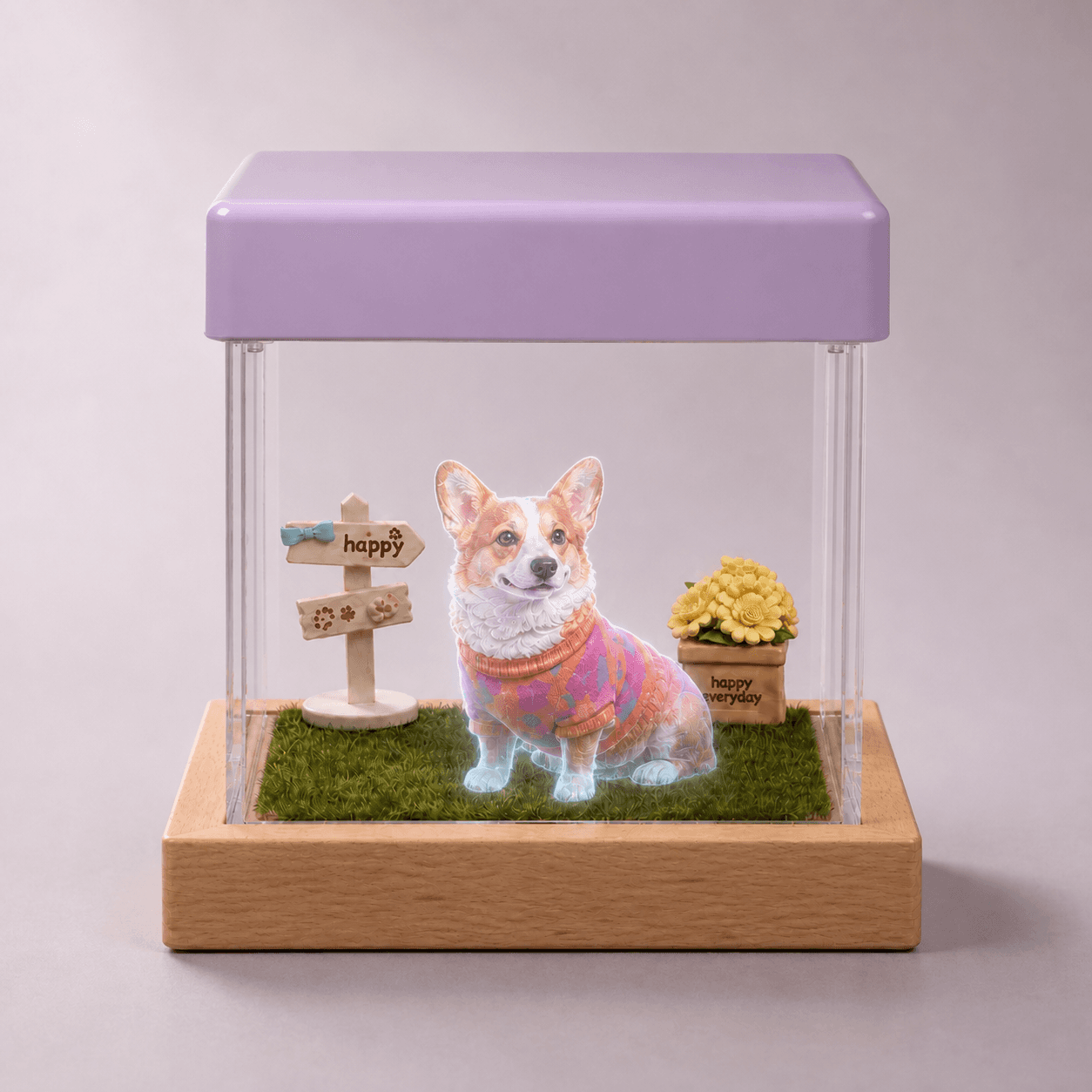
Your answers can change. If one day you want to turn a photo or some writing into a physical keepsake, you can first learn about the pet memorial options and decide calmly. Choosing not to buy anything is also a perfectly legitimate way to honor a life you shared.
How can you let the changes at home happen little by little?
After a pet is gone, an empty bed, an unfinished meal, or silence where there used to be footsteps can hit all at once. "Getting everything back to how it was" doesn't have to become a mandate. You can start by moving a single item somewhere you won't see it constantly, instead of clearing everything in one go. You can also leave one familiar corner untouched and rearrange it whenever you feel ready.
If there are children in the house, answer them clearly and in words that match the facts, avoiding phrases that could confuse them. Tell them it's okay to miss the pet, ask questions, draw pictures, or write them a letter. They can also play some of the time and feel sad at others. Among the adults, it can help to agree on which belongings won't be touched for now and when you'll revisit tidying them together, leaving room both to speak and to stay quiet.
When is it worth looking for company?
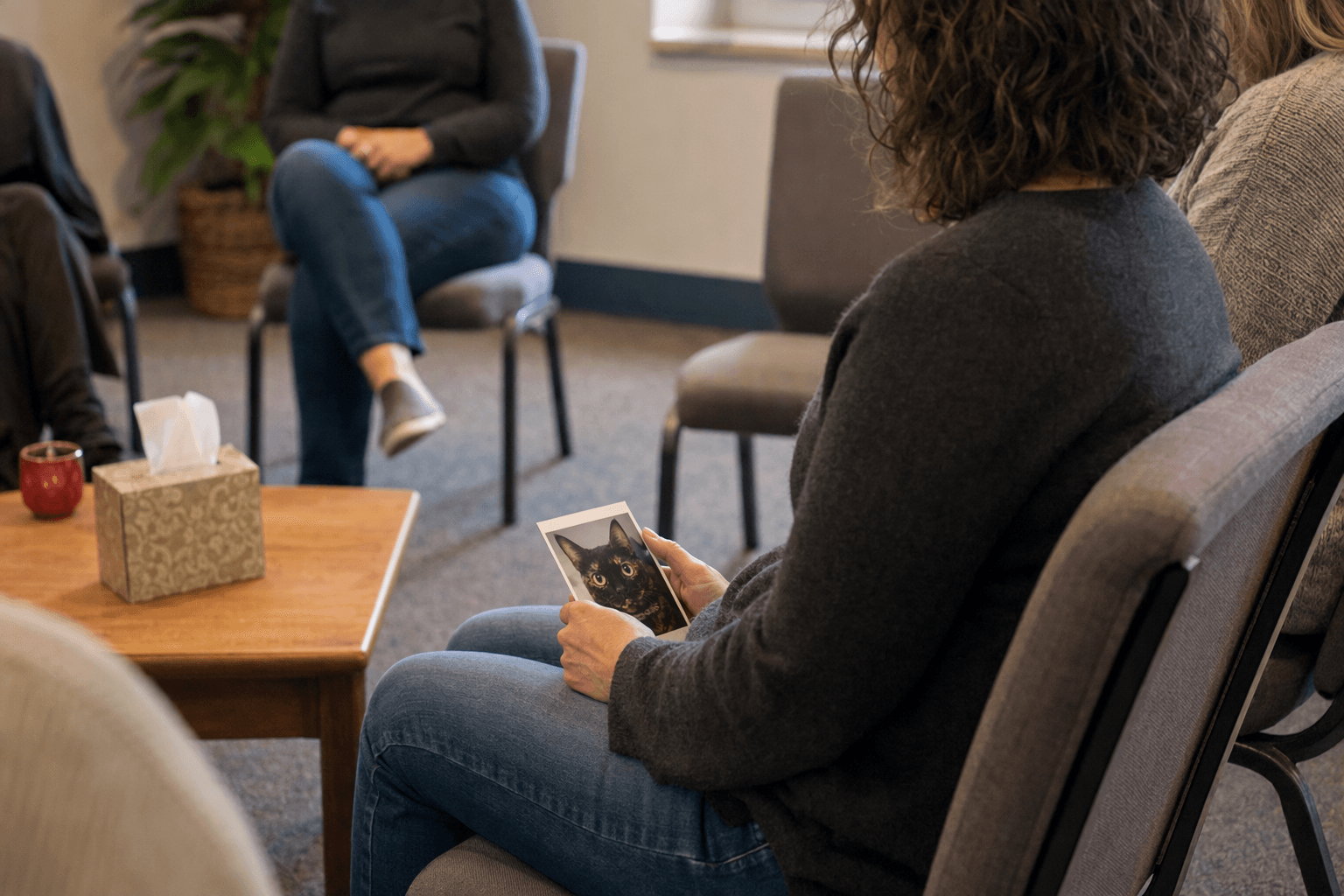
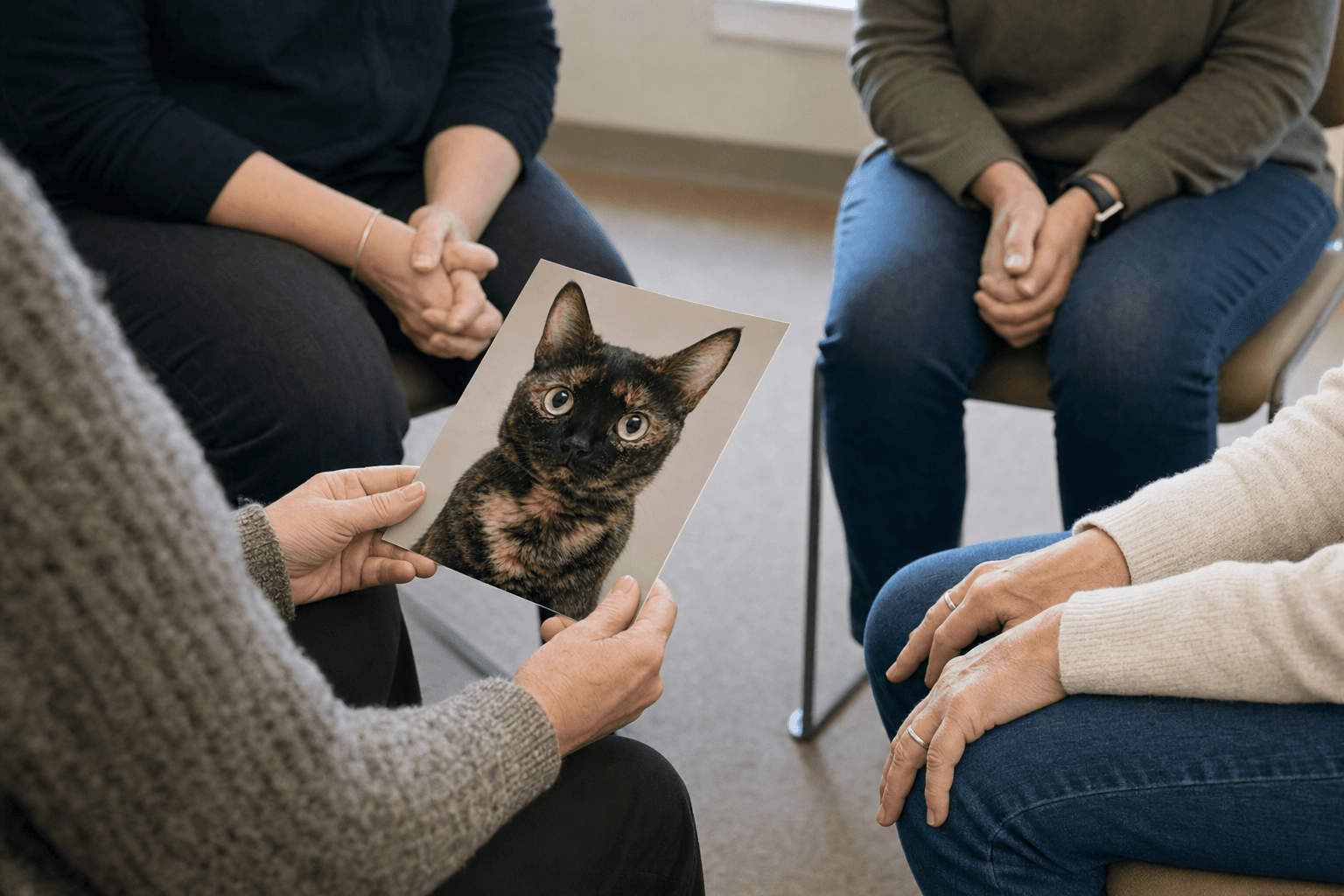
You don't have to wait until you feel "bad enough" to talk. You can tell a friend directly what you need: to eat with you, to help you put away your pet's things, to listen to one story, or simply to sit beside you without rushing to offer advice. If the people around you don't understand how much this bond meant, look for family or friends who are willing to truly listen, as well as pet loss support spaces, online or in person. It's fine at first to just read along without participating and see whether different ways of saying goodbye are respected there.
When reaching out, a single sentence can be enough: "I miss them so much. I don't need you to fix anything, I just want you to listen for a few minutes." Being specific makes it easier to get the response you need, instead of waiting for the other person to guess.
Frequently asked questions
Do I have to put my pet's things away right away?
No. Handle anything related to hygiene, safety, or deadlines first. The rest can be set aside temporarily and decided when you have more strength.
Do I need to hold a ceremony to say goodbye?
No. Writing a few lines, walking a familiar route, lighting a candle, or saying goodbye in silence can all be intimate tributes. There's no single way that fits everyone.
What do I do if someone says it was "just a pet"?
You can stop explaining your grief to someone who doesn't want to hear it, and instead share this relationship with people capable of understanding it. Your pet was part of your life, and the space they've left deserves to be taken seriously.
If I feel happy again, does that mean I've forgotten them?
No. Laughing again one day, focusing at work, or loving another animal doesn't erase the time you shared. Memories can live alongside a new routine.
Read gently, and take what helps.