The Short Version
After losing a pet, you don't have to jump straight back into your usual routine. Start by taking care of the basics: eating, sleeping, and the familiar rhythms of home. From there, you can preserve memories in a way that fits your relationship: write down details, sort through belongings, plant something, or create a quiet goodbye. If grief significantly disrupts your daily life for an extended period, professional support in your area can help.
Why Do Small Everyday Things Suddenly Feel So Hard?
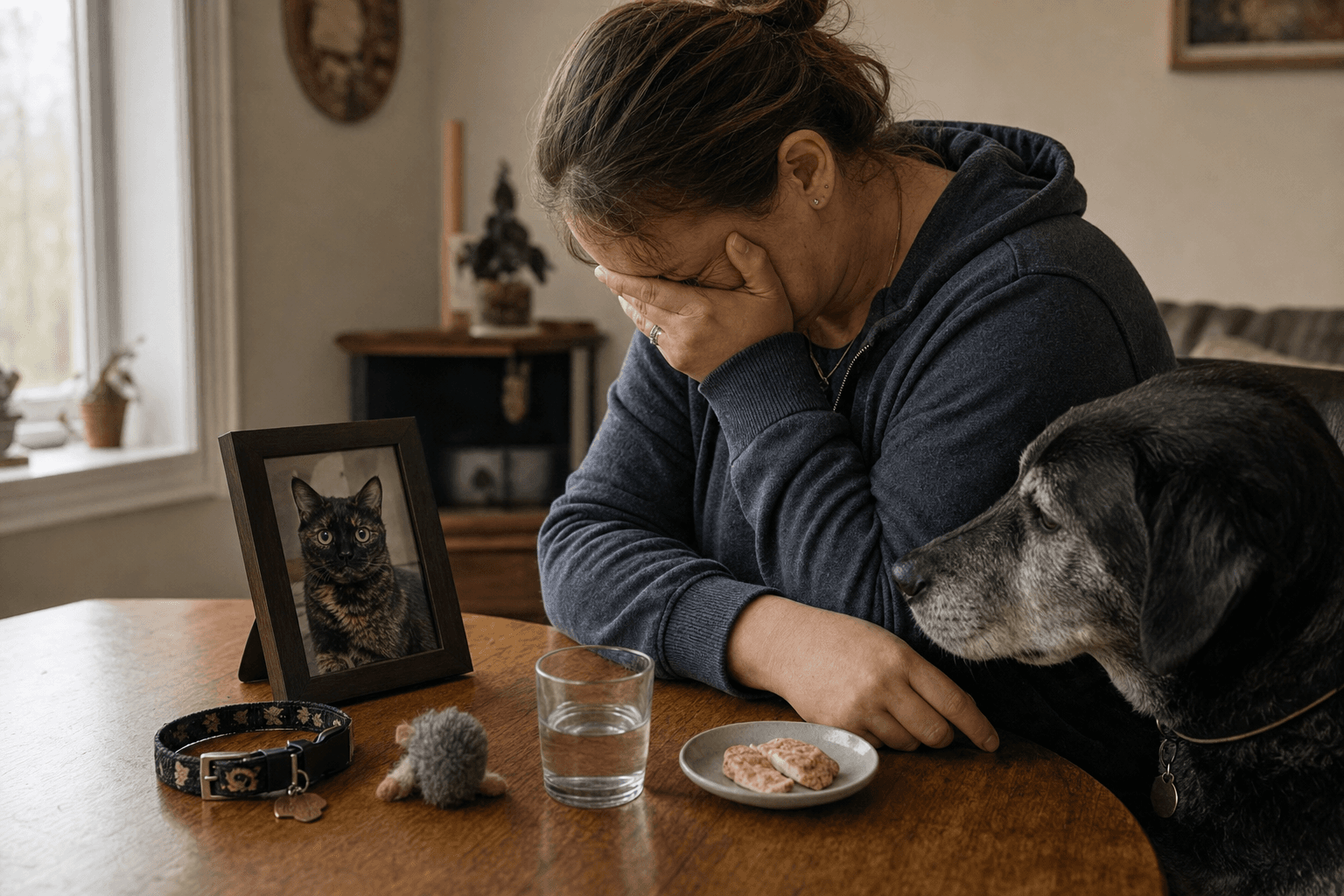
Grief often shows up in moments you'd normally never think about: you reach for the leash, prepare food, instinctively look for your pet when you open the door, or hear a noise in the room at night. You might feel calm one minute and devastated the next by a food bowl, a blanket, or a nickname. These reactions don't need to follow any tidy timeline.
For now, you can anchor your day with a few manageable touchpoints: drink water when you wake up, eat a meal at a regular time, take a short walk outside, and turn off a lamp in the evening that no longer needs to be on. The goal isn't to drown out longing with busyness. After this change, your body simply needs some familiar points of stability. If caring for your pet used to be the center of your day, a new small ritual can help temporarily: sit down at the same time each day for a few minutes, look through photos, or jot down what you thought about that day.
When Is the Right Time to Sort Through Your Pet's Things?
There's no deadline that works for everyone. A short list with three steps can ease the pressure of making too many decisions during an especially emotional time:
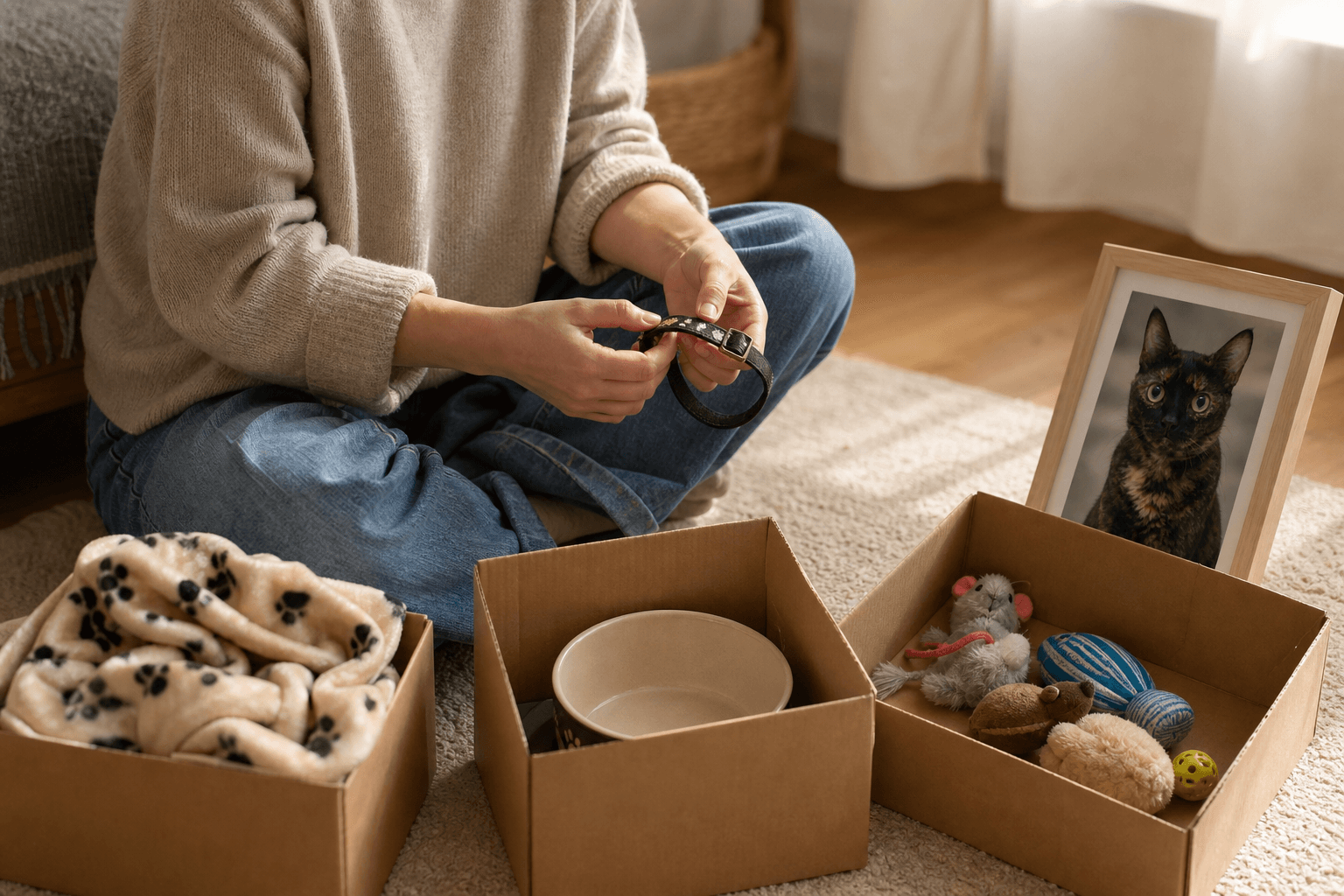
- Sort first, don't give anything away yet. Put the food bowl, toys, medications, and bedding into a few boxes or bags. Label them loosely with "Keep," "Decide later," and "Maybe give away."
- Set a flexible date for "Decide later." Reopen the box, say, a few weeks down the road, without turning it into a deadline you have to meet. If you're still not ready to decide, you're allowed to keep it stored.
- Give one especially meaningful item its own place. It might be a collar, a photo, or a small object whose story only you know. Whether you give away the rest says nothing about how much your bond meant.
If seeing the items hurts every day, you can move them somewhere you rarely pass. If looking at them instead brings a sense of closeness, they can stay where they are for now. Neither choice means you are, or aren't, "letting go."
A Goodbye That Fits the Life You Shared
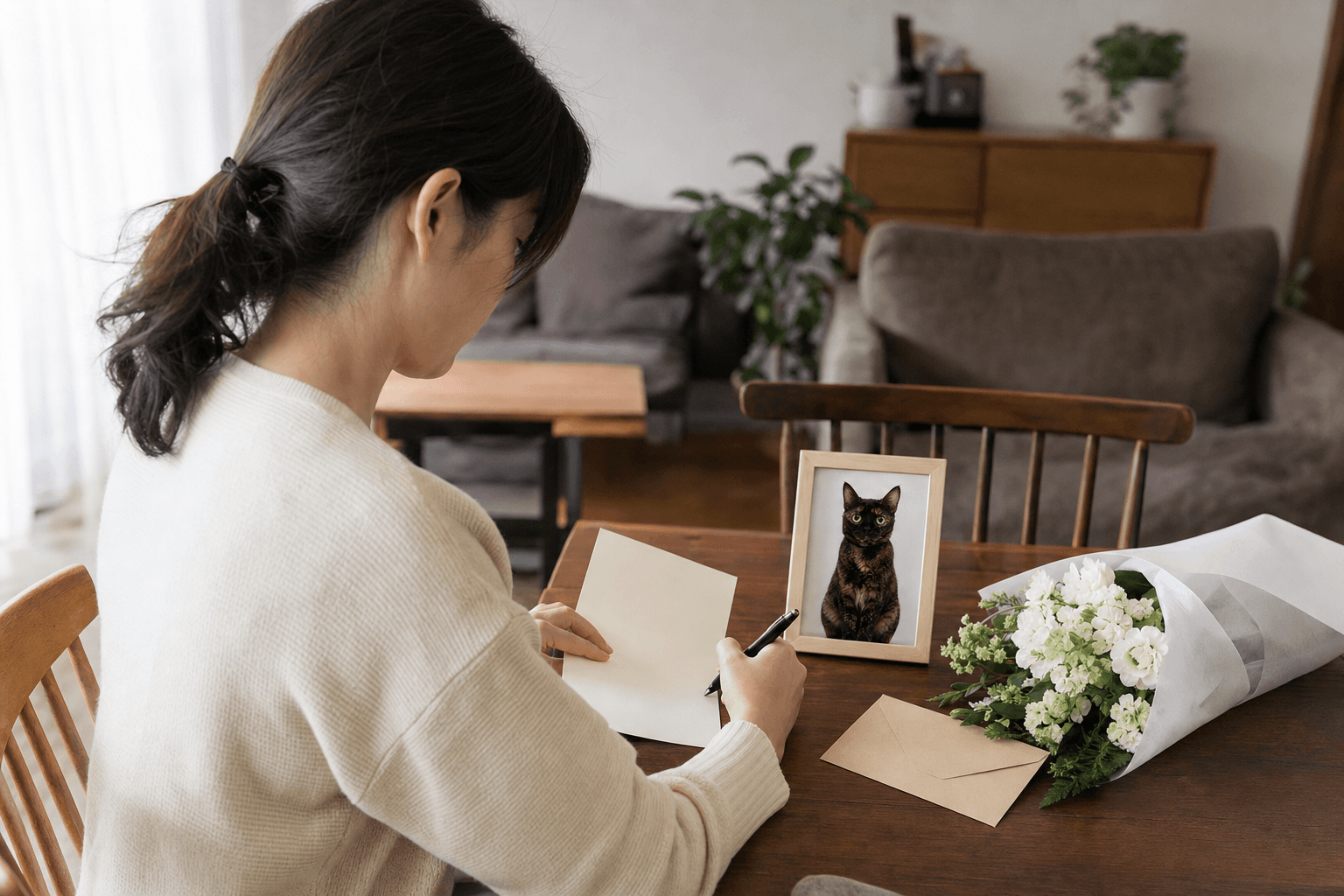
A farewell doesn't need a formal setting or a particular religious or family tradition. You can choose a familiar spot, read your pet a letter aloud, play music you both shared, or pause for a moment at a landmark along your usual walk. Some people want to invite family and share stories; others prefer to say goodbye alone. Silence can be a form of expression, too.
A simple ritual can have three parts: say the name out loud, recall one specific moment, and then decide which item you'd like to keep or pass on. Concrete details tend to hold memories better than generic praise: how your pet reacted to the sound of keys, which side of the bed it preferred, or the time it made the whole family laugh with some unexpected antics. If you can't manage everything on that day, writing down a single word and continuing later is enough.
What Kind of Pet Loss Tribute and Remembrance Fits You?
Start with three questions: Where should the keepsake live? Would you rather see a familiar image, or preserve a text, photo, or everyday memory? Should the tribute be just for you, or include your family, too? Your answers matter more than whichever option seems most formal.
You can group the possibilities into three categories:
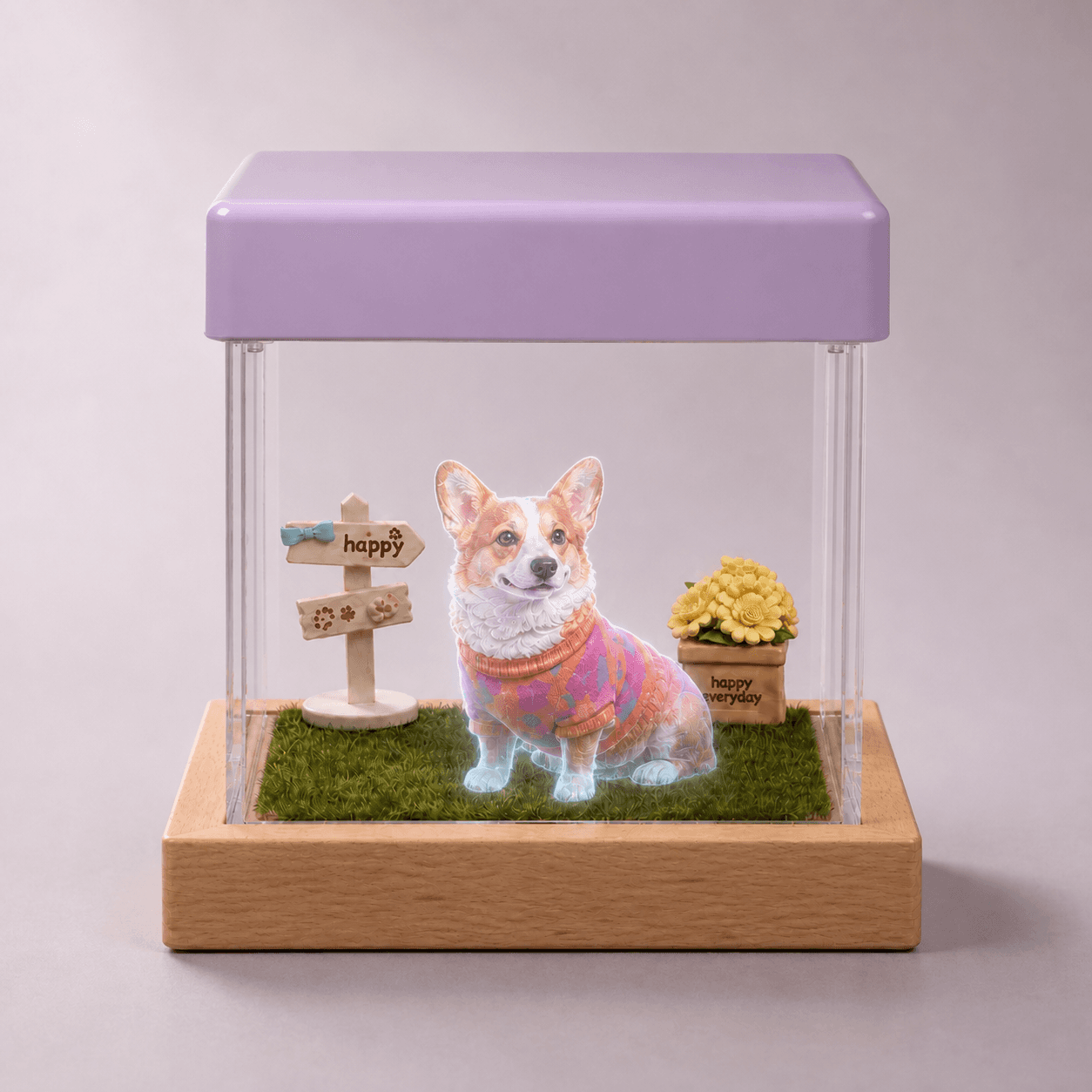
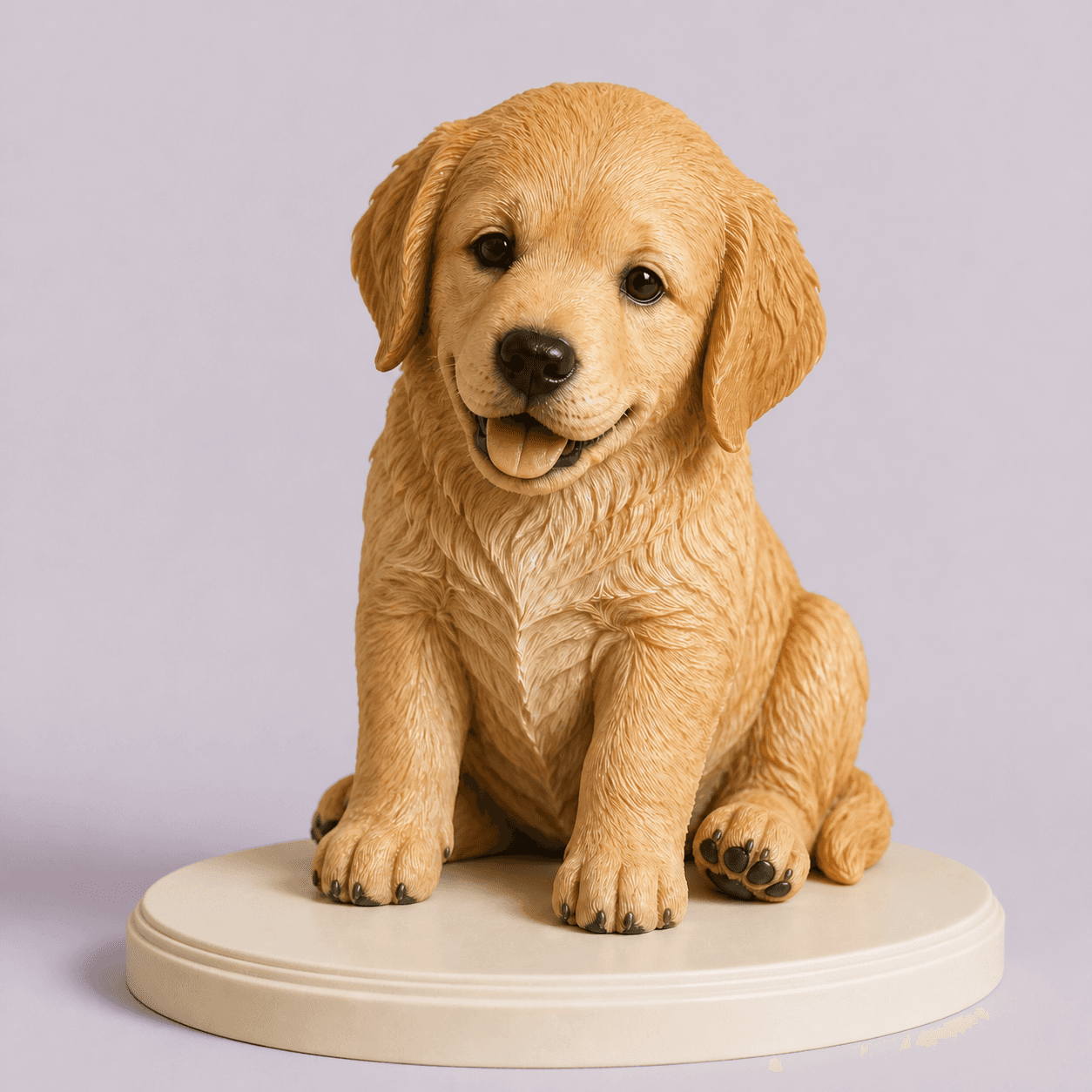
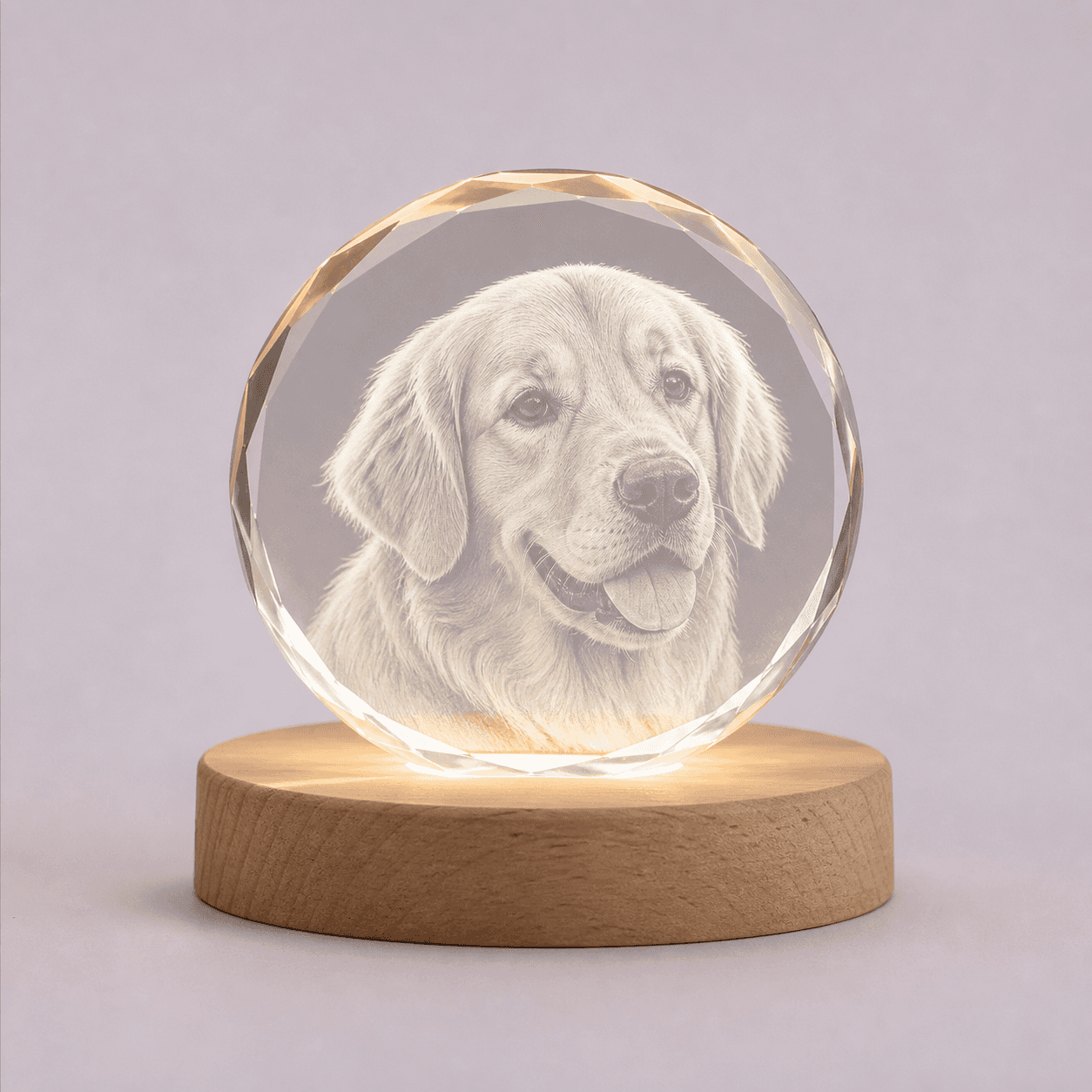
| Direction | What to Consider | Possible Options | |---|---|---| | Keep at home | You want a fixed place in familiar surroundings | Picture frame, photo lamp, memory box, or a small decorative piece | | Carry with you | You want a symbol with you on the go | Necklace, keychain, or a card with their name | | Preserve stories | The shared details matter most to you | Handwritten letter, photo album, memory list, or digital folder |
You don't have to commit to a final form right away. Start by setting up a temporary memory corner with photos, writing, and a few small items. Then notice which option feels right to you. If you're looking for different ideas for a pet memorial, you can browse the articles on pet remembrance. If you'd like to compare keepsakes, the selection of memorial products offers different options you can weigh based on your budget and available space. An object won't replace your pet. It gives a real relationship a tangible place.
How Can Memories Stay Part of Everyday Life?
A list of your pet's "little things in life" can feel more personal than simply marking a birthday and a date of passing. Write down what weather they loved, which walking route was your favorite, how they responded to their name, where paw prints could still be found around the house, and what you learned from this animal. Add just one or two items at a time. Later, you can turn them into a letter, captions for an album, or a family story.
If other pets still live with you, try to keep their familiar feeding and resting schedules. Also pay attention to how they respond to the changes in their environment. People and animals alike may need time to adjust to a home where one member is missing. If it feels right to you, you can turn a familiar caregiving task into a gentle act of remembrance: water a plant at a set time, photograph the sky on your walk, or write a short monthly memory entry. This doesn't replace the life you had. The memory simply gets to continue in a new way.
Frequently Asked Questions
I keep thinking about my pet constantly. Should I hold off on sorting through their things?
You don't have to force yourself to sort through things just because you think about your pet all the time, and there's no reason to feel guilty if you'd like to organize them in the meantime. You can start by dividing everything into boxes and keeping the final decisions for yourself. Wait until you feel ready to take the next step.
Do I have to hold some kind of ritual for my pet?
No. A walk, a letter, quietly saying their name, or a story shared with family can all be a goodbye. The form should fit your beliefs, your family situation, and what you can handle right now.
When can I start thinking about a new pet?
There's no universal timeline. Ask yourself whether you have the energy, the space, and the desire to care for a new animal. It also matters whether you want to get to know them as their own being, rather than expecting them to fill the place that was left behind. Deciding not to decide yet is a complete decision, too.
Read gently, and take what helps.