TL;DR
After losing a dog, the first two weeks often bring a mix of immediate decisions, disrupted routines, and sudden waves of missing them. Handle only what is time-sensitive, leave permanent choices for later when possible, and ask someone you trust to help with practical tasks. Feeling deeply affected does not mean you are reacting incorrectly; your dog was part of your daily life and your relationship.
What needs to be decided right away?
The first decisions may arrive before the loss feels real. You may need to speak with a veterinarian, choose between aftercare options, arrange transportation, or let someone know that you will not be at work. If your dog has died at home, a veterinary clinic, cremation provider, or local animal service can explain the available arrangements. You do not have to make every decision alone.
A short list can keep the next few hours from becoming a blur:
- Who needs to be contacted today?
- What aftercare choice feels acceptable for now?
- Is there a blanket, collar, photograph, or paw print you want to keep nearby?
- Who can make calls, drive, or sit with you?
- What can wait until tomorrow?
If you are unsure about an aftercare decision, ask for the options in writing and ask how long you have to choose. You can also ask a trusted person to listen and take notes. A decision made carefully does not need to be made quickly, but some arrangements do have time limits, so it is reasonable to ask direct questions.
Why does losing a dog affect everyday life so much?
Your dog may have been present at the beginning and end of nearly every day. They may have shaped when you woke up, went outside, ate, traveled, or returned home. After they die, those ordinary moments can become reminders. An empty bed, a leash by the door, or the sound of a familiar floorboard can make the loss feel newly present.
That is one reason grief for a dog can feel larger than other people expect. You are not only missing a companion. You may also be adjusting to a changed home, a changed schedule, and the absence of small acts of care that happened without much thought.
Other people may not understand the closeness you shared, especially if they did not see your dog every day. Their response does not measure the importance of your relationship. If you need words for explaining the loss to someone else, these messages for losing a dog can offer a starting point without requiring you to tell the whole story.
What can the first week look like?
The first week may be uneven. You might feel calm while handling an errand, then cry when you reach for a food bowl. You might want company one day and quiet the next. There is no single emotional schedule that makes these changes predictable.
Practical choices can be kept deliberately small. You could:
- Keep one daily activity that connects you to the time you shared, such as sitting in their usual place with a cup of coffee.
- Move food, medication, or cleaning supplies out of the way only when you are ready.
- Ask someone to help wash bedding or gather items if seeing them feels too difficult.
- Write down a few details you do not want to forget, including nicknames, habits, favorite resting places, and the sounds they made.
- Tell one or two people what kind of contact would help, such as a phone call, a meal, or quiet company.
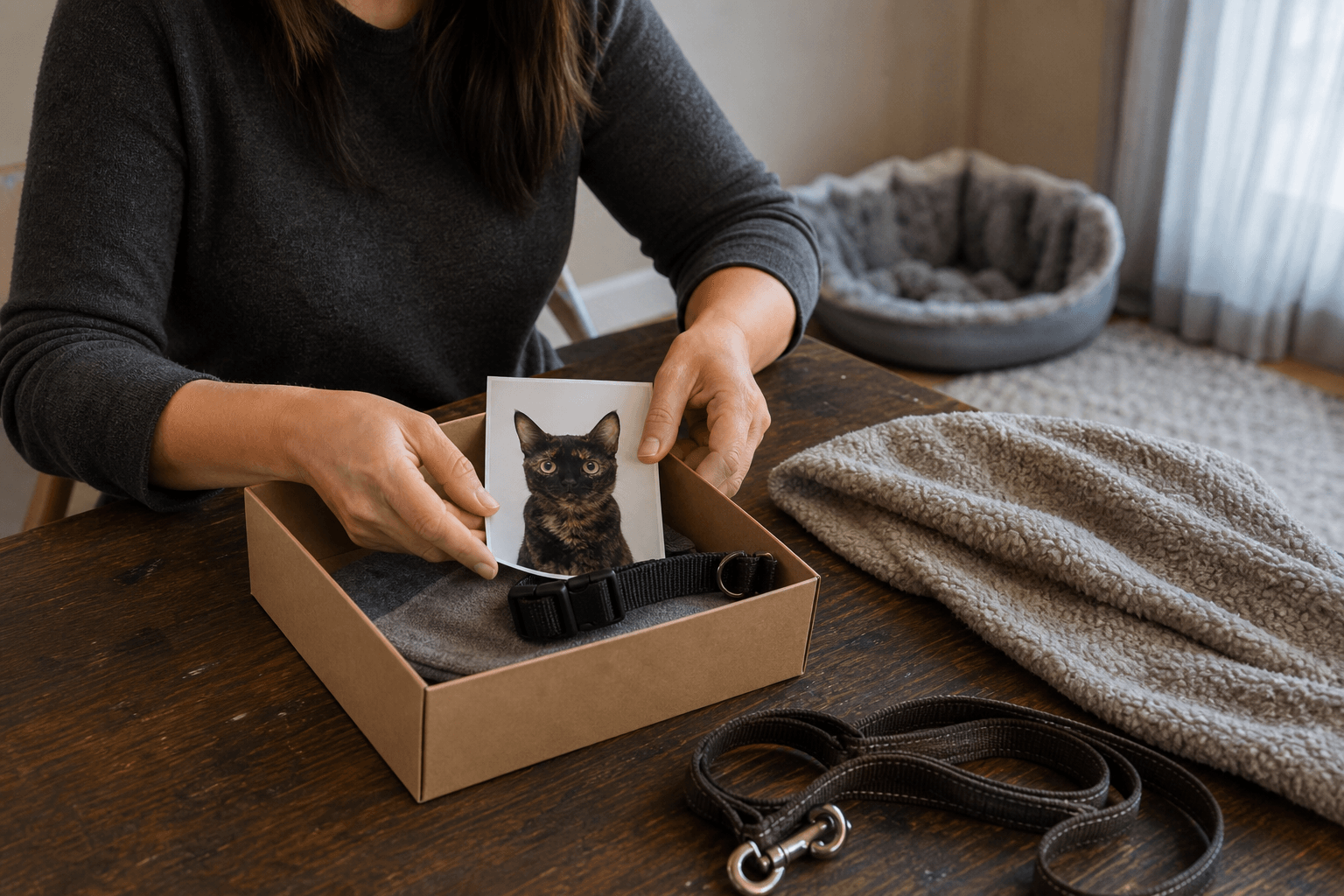
There is no requirement to preserve every object, and there is no requirement to remove anything. A temporary box can be useful for items you cannot decide about. It gives you a middle choice between keeping everything in place and making permanent changes while the loss is still raw.
If other pets live with you, keep their basic care as steady as you can. They may notice that your routines and presence have changed. You do not need to interpret every behavior or create a perfect new schedule. Food, water, rest, familiar attention, and a call to your veterinarian if you are concerned are practical places to begin.
Which decisions can wait until the second week?
By the second week, some people want to make a memorial choice, while others still cannot look at photographs. Both responses are possible. A memorial does not need to be elaborate, and postponing one does not mean your dog matters less.
Before choosing anything permanent, use this simple decision aid:
The three-question pause
1. Does this need to happen now? If not, give yourself more time. 2. Will I want this choice to represent a specific memory? Note the photograph, phrase, place, or habit that matters most. 3. Will this create care or pressure later? Consider cost, storage, shared decisions, and whether you want the item displayed or kept private.
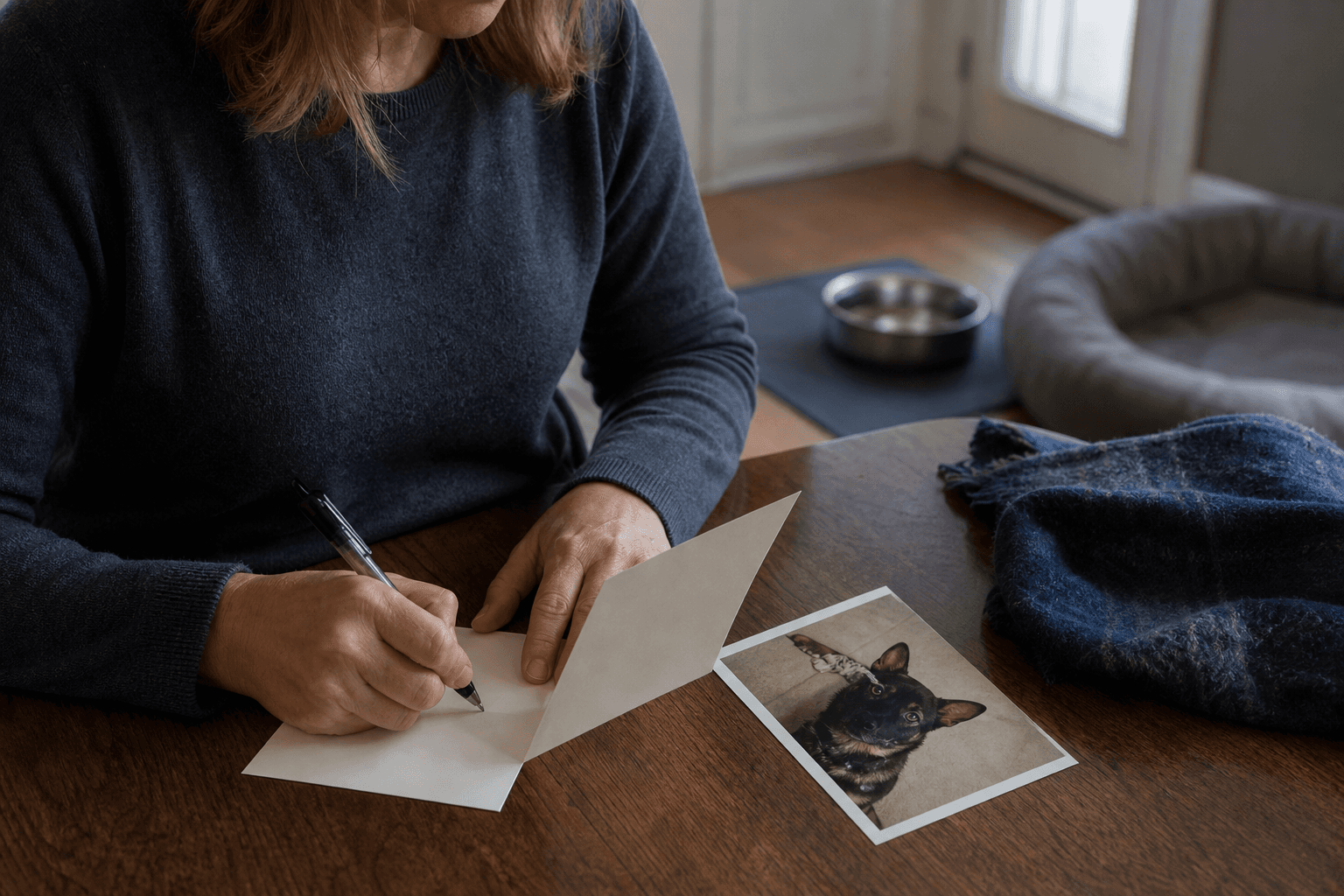
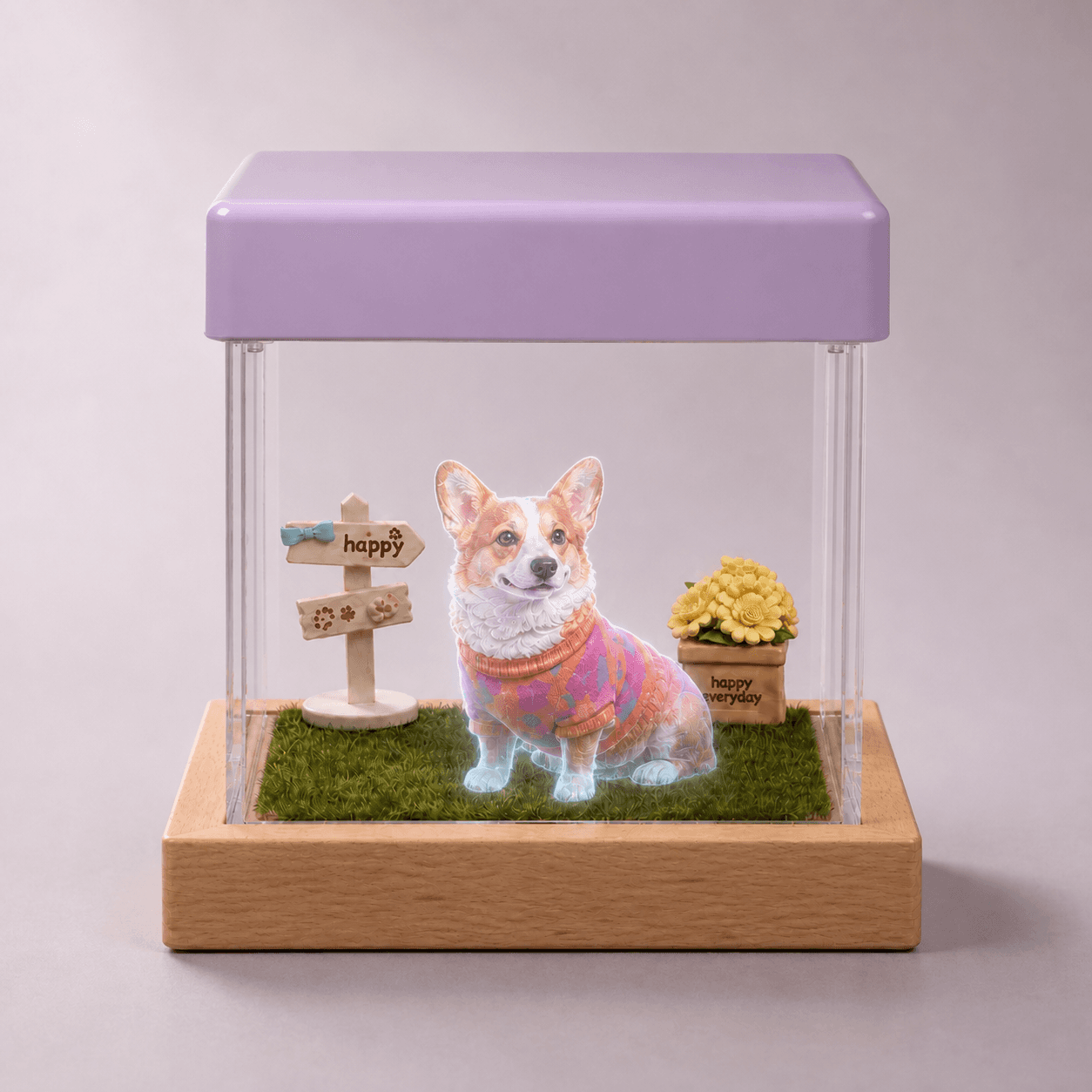
You might begin with a low-pressure act, such as placing one photograph beside a candle, writing a letter you do not need to share, or visiting a familiar walking route. If you are considering a physical remembrance, keepsakes for pet ashes explains practical questions to settle before choosing a format. You can also keep a memory note or photograph without deciding on a finished memorial.
How can you handle work, home, and other people?
Grief can make ordinary communication feel like another task. A short message is enough: “My dog died, and I need a quiet day.” You do not have to defend the depth of the loss or provide details before you are ready.
At home, choose the least demanding version of necessary care. Simple food, a shower, clean clothes, and a little rest are reasonable aims. If a room feels too full of reminders, change one corner rather than the whole space. If the silence feels unbearable, play familiar music or spend time with someone who understands that you may not want to talk.
You may also encounter people who avoid mentioning your dog because they do not know what to say. If you want to keep their name present, you can say so directly: “I would like to talk about them.” For guidance on supporting someone else, losing a dog condolences offers specific language that avoids minimizing the bond.
When is it worth talking to someone?
You do not need to wait until your grief reaches a particular level before seeking company or professional support. Talking to someone may be useful if you feel stuck with decisions, isolated from people around you, unable to manage basic responsibilities, or troubled by thoughts that feel unsafe. A trusted friend, veterinarian, pet loss group, or mental health professional may offer a different kind of support. If you may harm yourself or cannot stay safe, contact emergency services or a crisis line in your area now.
A conversation does not have to be a formal account of everything that happened. You can begin with one sentence: “My dog died, and I am having a hard time getting through the days.” You can also ask about pet loss support groups if listening to others with similar experiences feels more comfortable than speaking one-on-one.
FAQ about losing a dog
Is it normal to keep expecting my dog to be there?
Yes, familiar routines can continue in your mind after your dog has died. Reaching for the leash or listening for their movement may happen before you remember the loss. These moments can be painful without meaning that you are doing grief incorrectly.
Should I put away my dog’s belongings?
Only if and when it feels right. You can leave them where they are, ask someone else to pack them, or place them in a temporary box while you decide. There is no deadline for sorting them.
Do I need to hold a memorial right away?
No. A memorial can happen immediately, much later, or remain private. Writing down one true detail about your dog can be a meaningful first step without committing to a larger ceremony or keepsake.
What if people do not understand why I am grieving so much?
You can choose how much to explain. Your dog’s role in your life was personal, and other people’s discomfort or limited understanding does not determine the significance of the loss.
Read gently, and take what helps.