TL;DR
Losing a dog is hard because they were woven into daily life, you likely made the final decision yourself, and there is rarely a formal way to mark the loss or take time off. The bond was real, the presence was constant, and the absence changes the shape of ordinary hours.
They were there for every ordinary hour
A dog does not wait for special occasions. They are present when you wake up, when you eat breakfast, when you come home tired, when you sit down to work or read. That presence becomes part of the day's structure. When it ends, the absence shows up in small, repeated moments: the quiet when you open the door, the stillness at mealtimes, the missing weight on the couch.
The ordinariness of the bond is what makes it so deep. You did not have to arrange visits or make plans. They were simply there, and you shaped your routines around them.
The decision was usually yours
Most dog owners face a final veterinary decision. You weigh quality of life, pain, mobility, appetite, and the advice of a professional, then you choose a day and a time. That responsibility can feel heavy long after the fact.
You may revisit the decision, wondering if you acted too soon or waited too long. You may feel guilt even when you know you made the kindest choice available. The weight of that agency, the fact that you had to decide, is part of why this loss is so hard.
There is no social ritual for it
Most workplaces do not offer bereavement leave for a dog. Friends may offer a kind word, but the conversation often ends quickly. There is no funeral service, no gathering, no established way to mark what has happened.
That absence of ritual can leave you feeling isolated. Grief from losing a dog does not follow a public script, and the lack of formal recognition can make the loss feel invisible to others even when it is not invisible to you.
The relationship was uncomplicated
A dog does not argue, hold grudges, or require explanations. The relationship is built on presence, routine, affection, and trust. That simplicity is rare. When it ends, you lose not only a companion but also a source of steady, uncomplicated warmth.
The absence of complexity does not make the bond shallow. It makes it direct. And directness, when it is gone, leaves a clear space behind.
What you can do with the weight of it
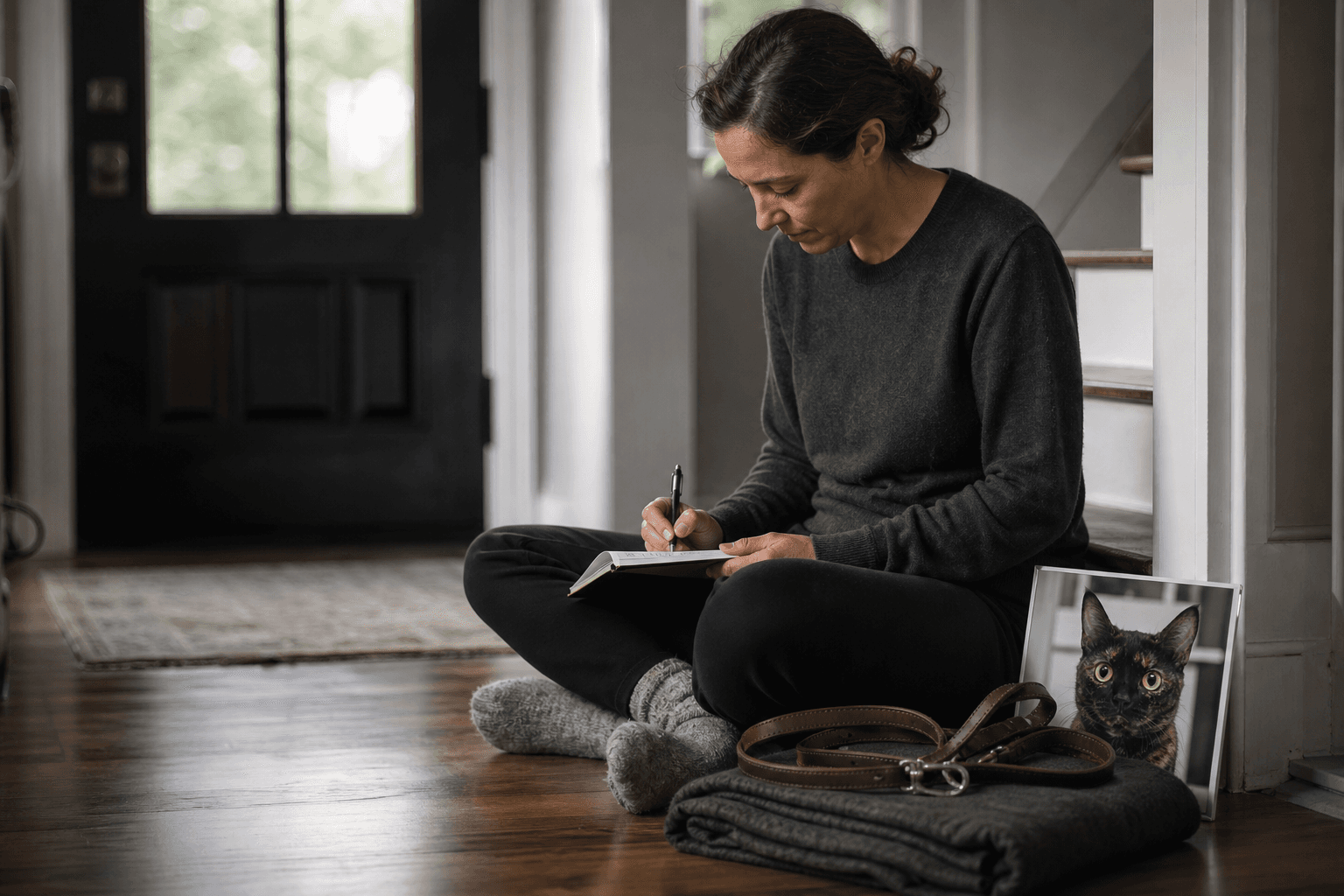
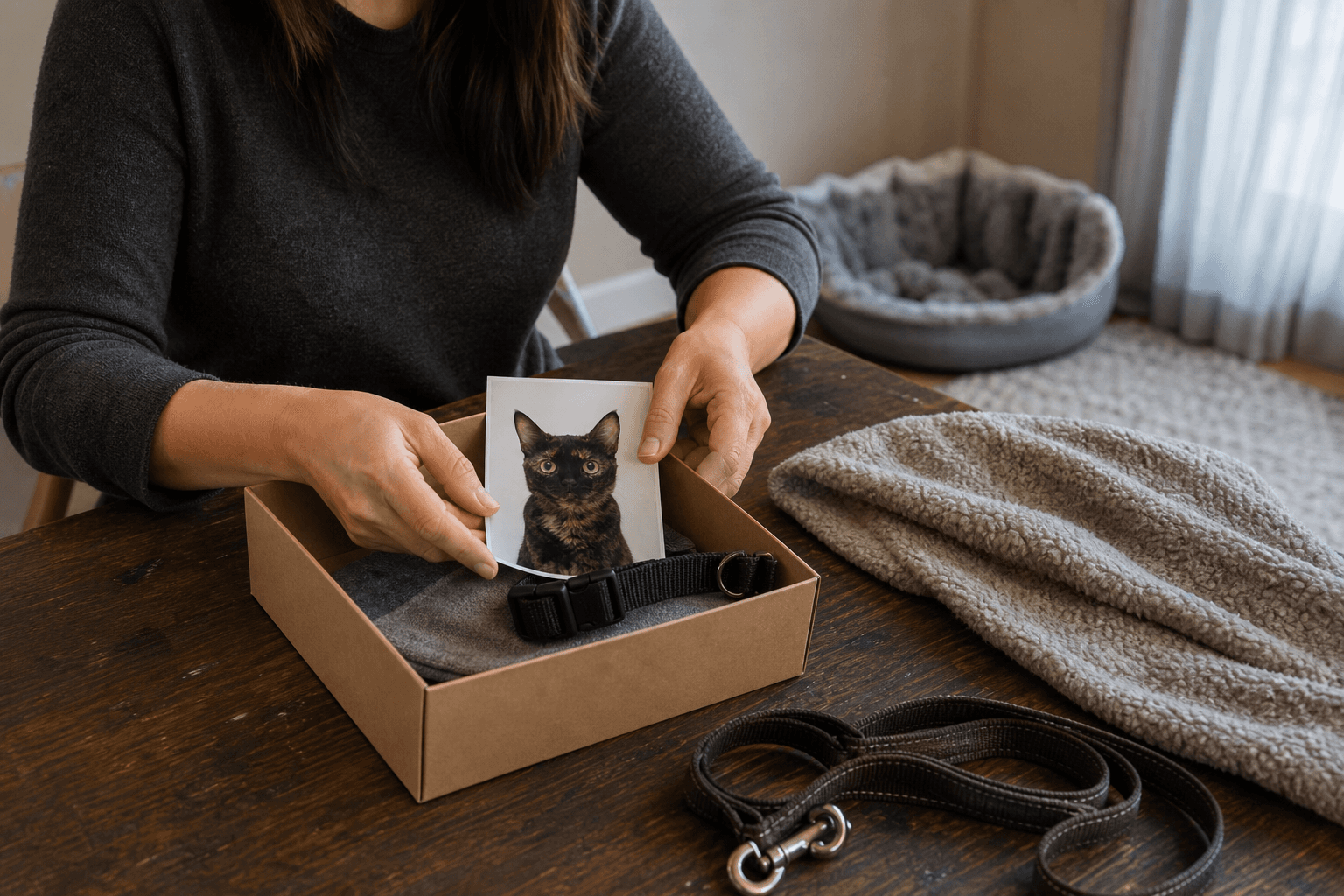
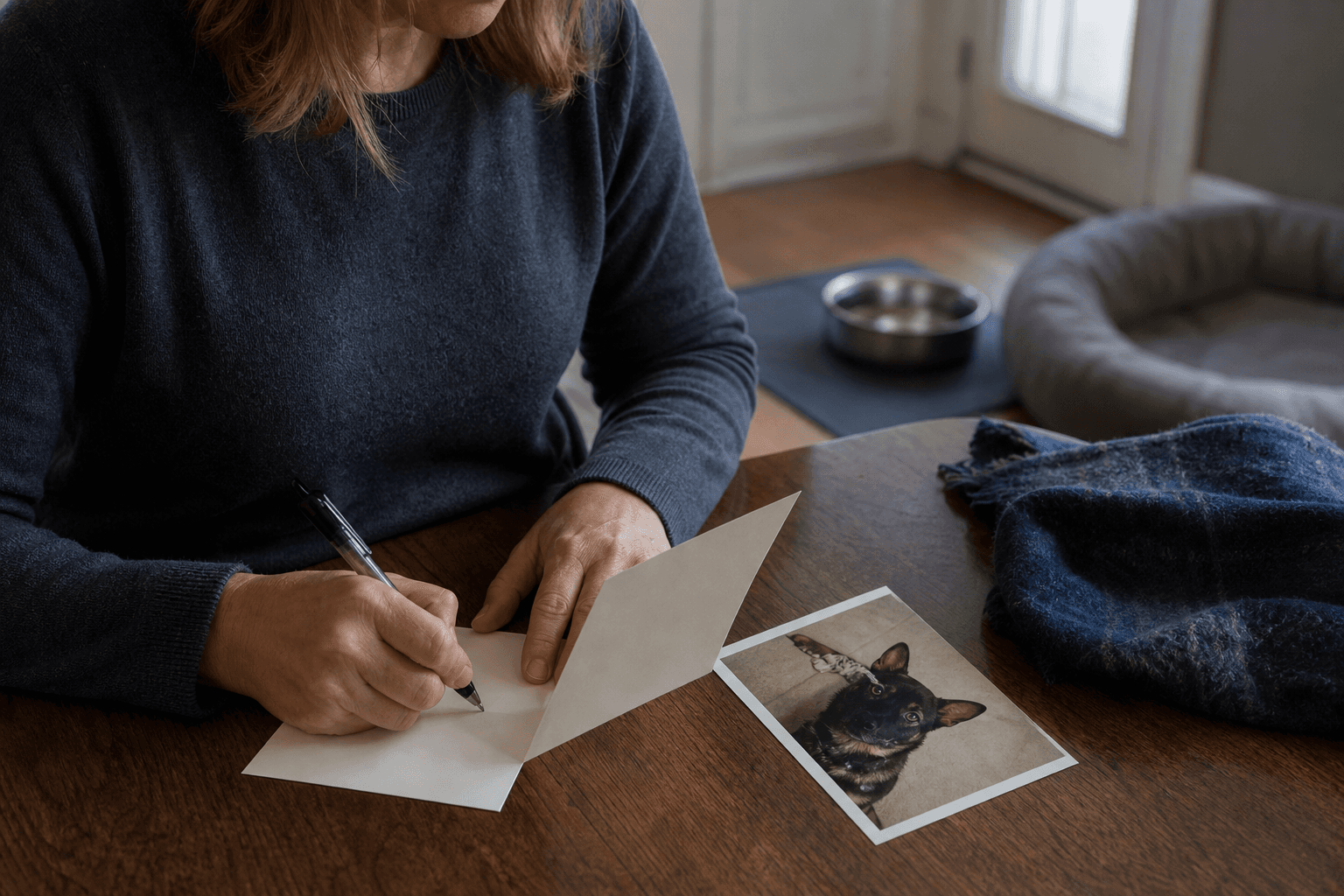
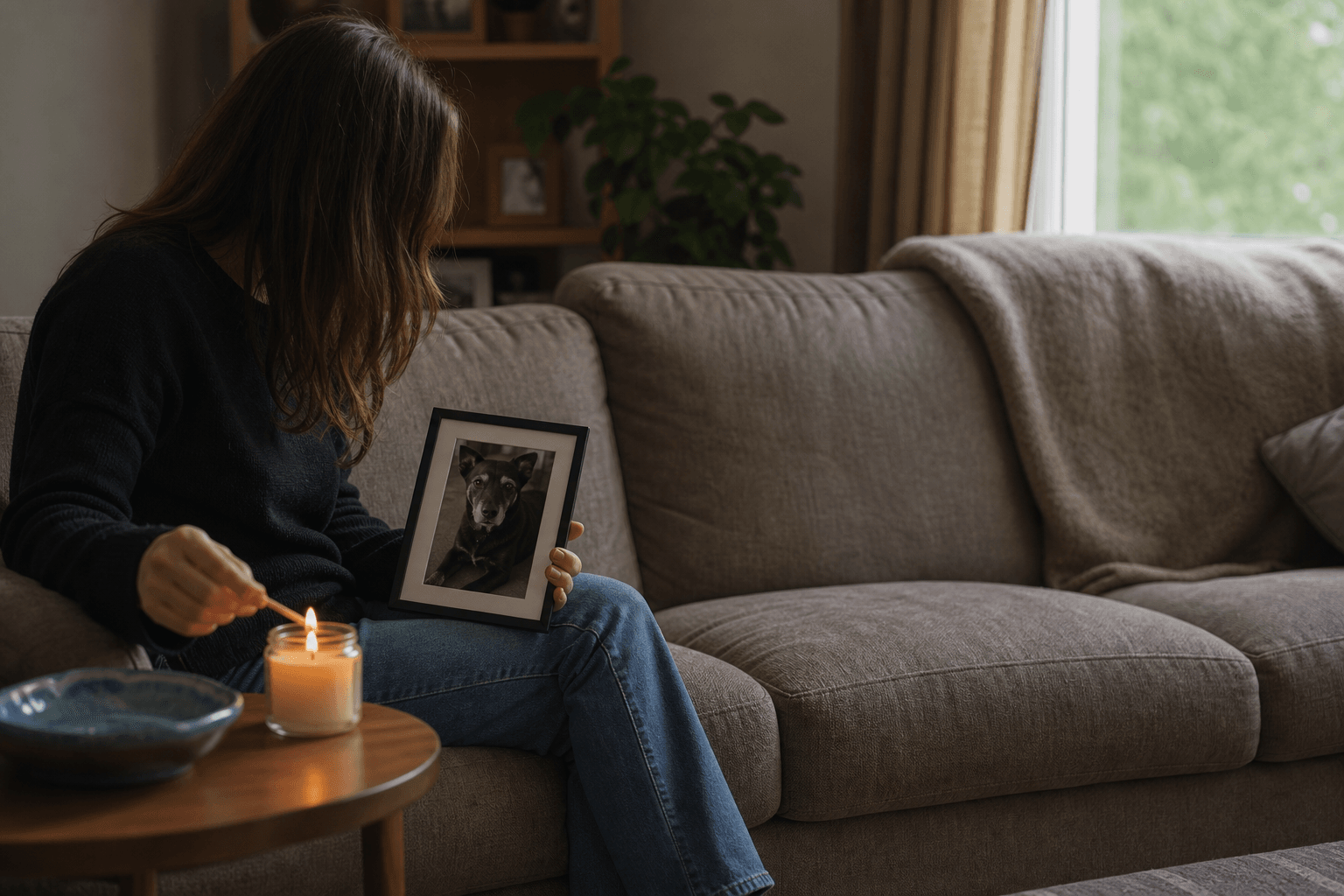
You do not need to resolve grief or move through it on a schedule. You can write down small memories, keep a photograph somewhere visible, or set aside a few objects that remind you of them. Some people find it helpful to mark the loss privately: lighting a candle on the anniversary, planting something in the yard, or choosing a quiet keepsake that holds their presence.
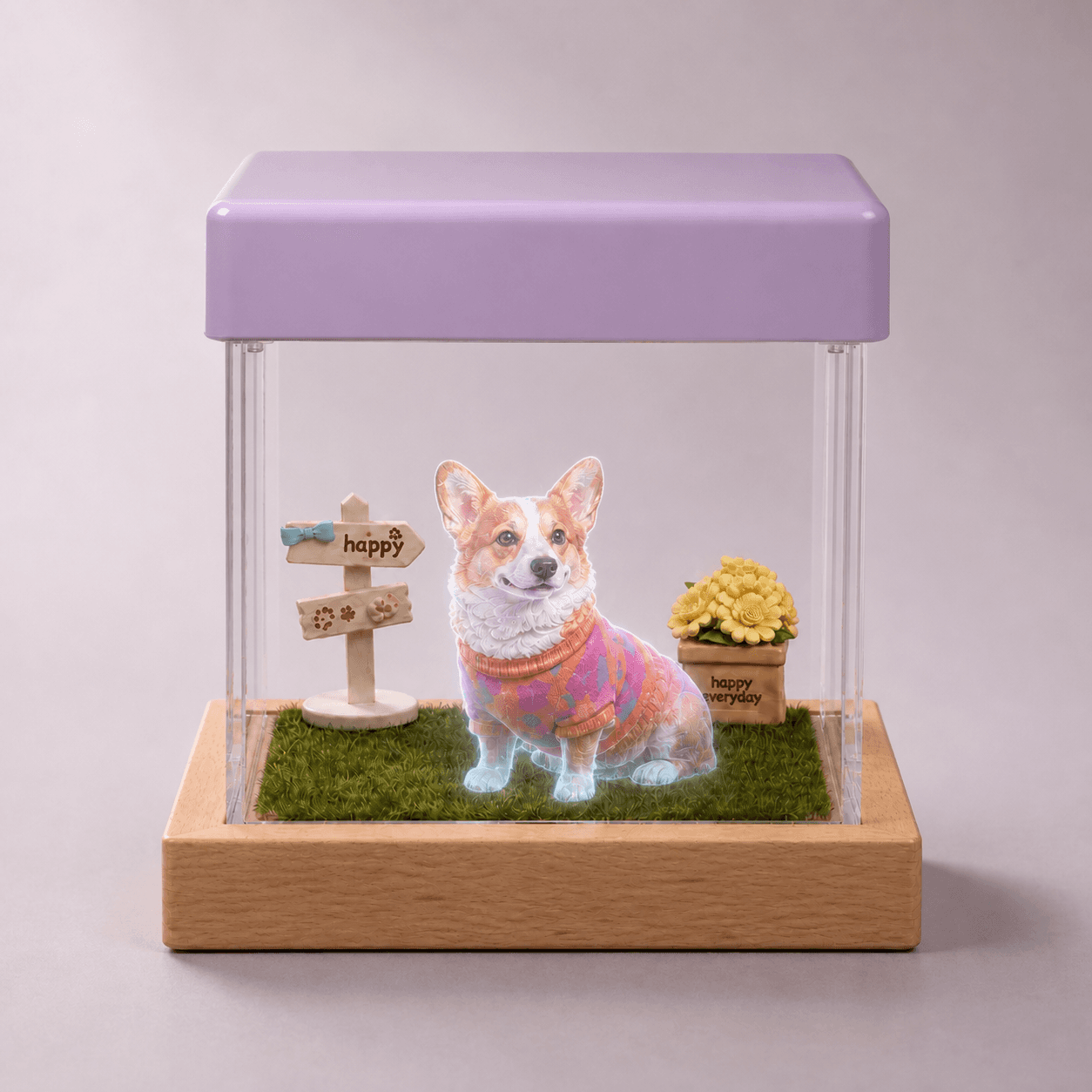
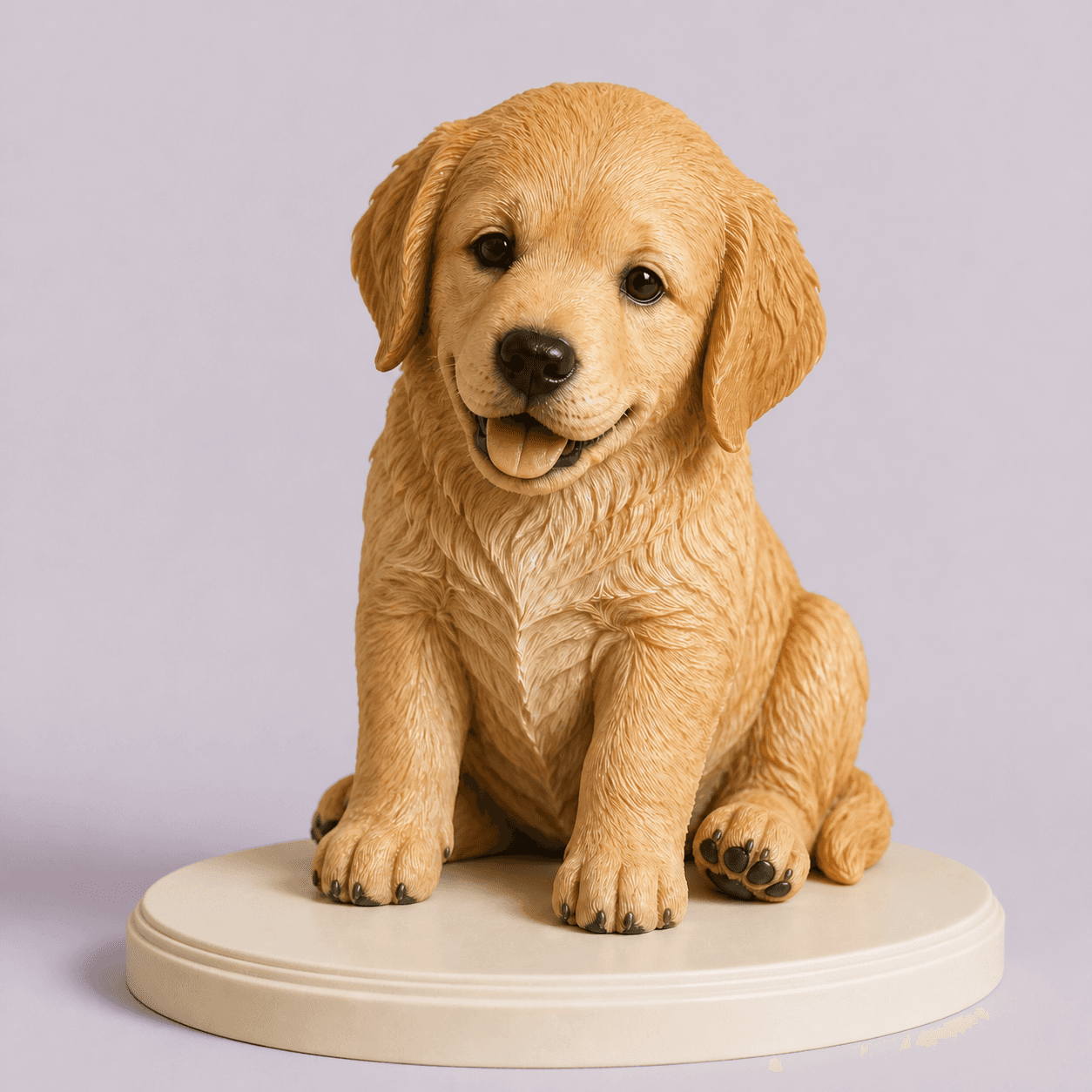
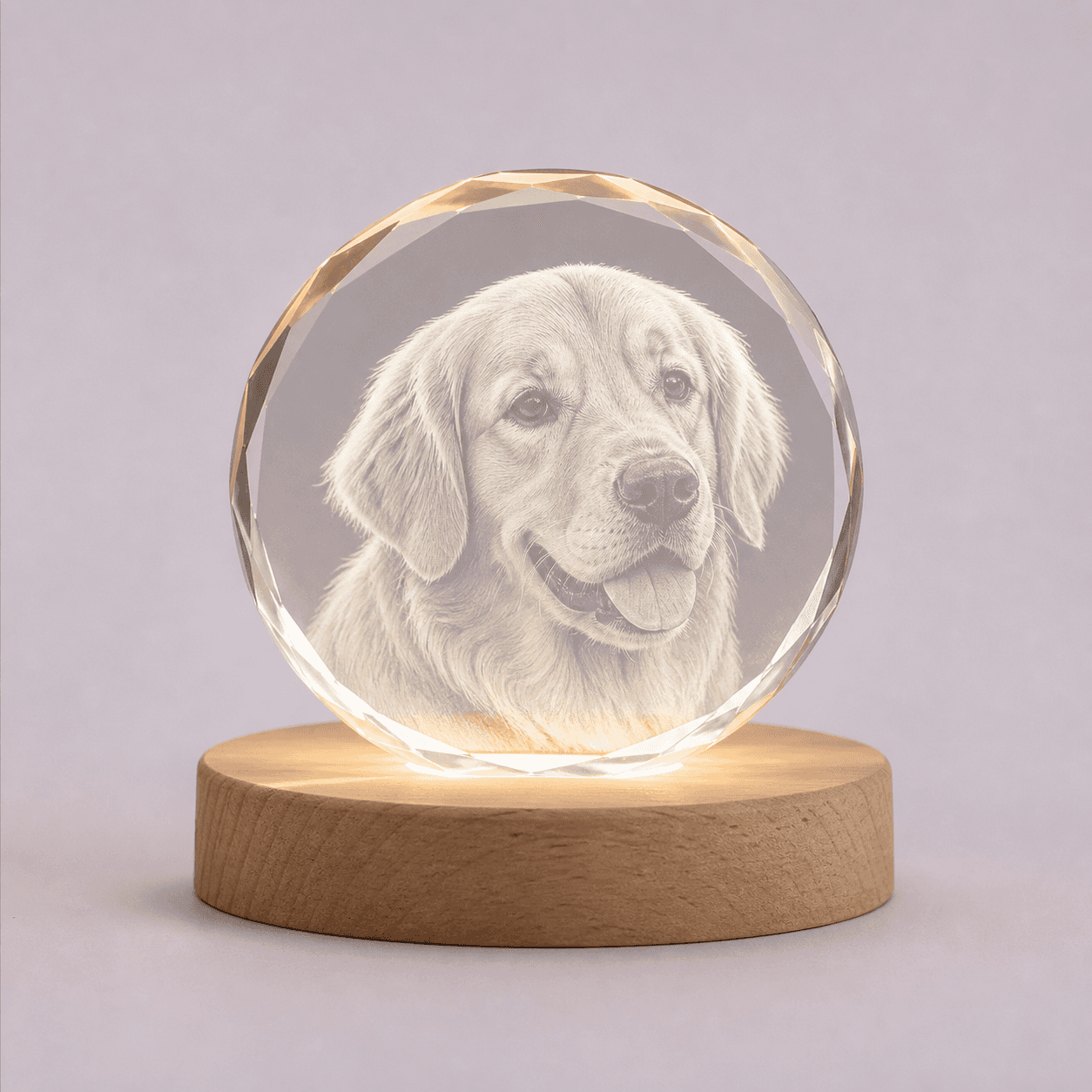
If you want something tangible, a personalized item such as a portrait or a small figurine can give the memory a physical place. The goal is not to fix what you feel, but to let love and loss exist side by side.
Frequently asked questions
Why does losing a dog hurt more than losing some people? The bond with a dog is often simpler and more constant than many human relationships. There are no unresolved conflicts, no complicated history. The pain reflects the depth and steadiness of what was there, not a comparison of worth.
How long does grief last after losing a dog? There is no fixed timeline. Some people feel the sharpest pain in the first few weeks, others carry it quietly for months. Grief does not follow a schedule, and there is no correct pace.
Is it normal to feel guilty after putting a dog down? Yes. Many people revisit the decision, wondering if they acted at the right time. Guilt is a common response to the weight of that responsibility, even when the choice was made with care and love.
Should I get another dog right away? Only if it feels right to you. Some people find comfort in a new companion quickly. Others need time before they are ready to open that space again. Neither path is wrong.
Read gently, and take what helps.